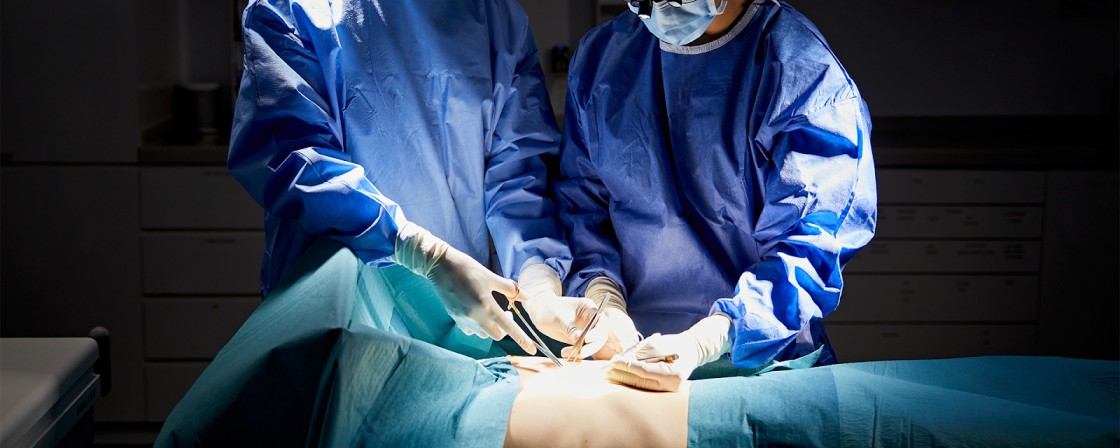
A plastic surgeon in Singapore is a medical specialist trained in surgical and non-surgical procedures that alter, restore, or improve physical appearance and physiological function. Undergoing cosmetic surgery is a deeply personal decision that can have a significant impact on a patient’s life. These specialists operate within a strictly regulated medical ecosystem governed by the Ministry of Health (MOH). Patients evaluating a plastic surgeon typically analyse a combination of professional accreditation, clinic safety protocols, surgical scope, and the transparency of the consultation process. Leading clinics are committed to providing high-quality, personalised care and continuous improvement in surgical results.
The experience of the surgeon is also crucial, as extensive clinical training and years of practice help ensure outcomes that align with each patient’s unique aesthetic ideals. Choosing a plastic surgery clinic involves a comparative analysis of these factors to ensure that any elective or reconstructive procedure is conducted within recognised medical and legal frameworks. Plastic surgery clinics in Singapore are expected to have trained and experienced medical teams to support patient care. Ultimately, plastic surgery can positively impact a patient’s life, helping them achieve their personal aesthetic or reconstructive goals. Plastic surgery can help patients achieve their desired aesthetic form, with procedures tailored to enhance both the form and function of the face or body. Some patients may also wish to keep their decision for cosmetic surgery discreet, making privacy an important consideration in the decision-making process.
Introduction to The Speciality
Plastic surgeons in Singapore provide care in plastic and reconstructive surgery. As a plastic surgery practice in Singapore, most clinics specialise in both aesthetic and reconstructive procedures, emphasising a patient-centric approach, the use of specialised techniques, and a strong commitment to safety standards. The practice offers procedures that may address aesthetic concerns or reconstructive needs, though outcomes vary depending on individual factors and anatomical characteristics.
The procedures can be tailored to individual circumstances, though suitability requires professional assessment during consultation. The surgeons have received training at institutions such as Singapore General Hospital, and they may incorporate current techniques in their practice, though the appropriateness of any approach depends on individual patient factors.
Professional Qualifications and Specialist Accreditation
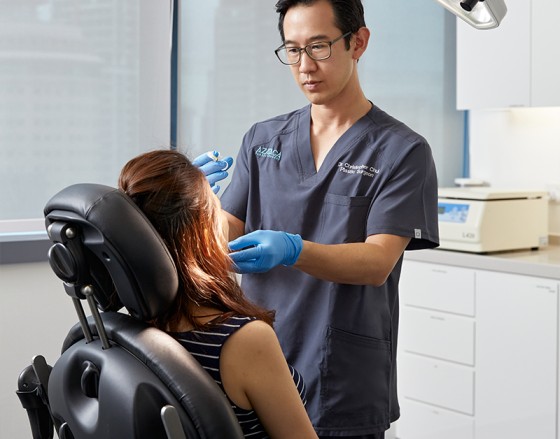
Professional qualifications refer to the formal education, postgraduate residency training, and board certifications that validate a surgeon’s competency in the field of plastic, reconstructive, and aesthetic surgery. In Singapore, the title “Plastic Surgeon” is protected. Only doctors who have completed the required specialist training and are recognised by the Singapore Medical Council (SMC) can legally claim this title.
Patients are advised to verify the following credentials to ensure the practitioner is a recognised specialist:
- SMC Specialist Register: Confirmation that the doctor is registered as a plastic surgeon, not a general practitioner.
- Specialist Accreditation Board (SAB) Listing: Verification of completion of the advanced surgical training programme.
- Fellowship of the Academy of Medicine, Singapore (FAMS): This indicates the surgeon is a fellow who has met the professional standards of the national body of specialists, demonstrating their accreditation in a medical profession, including plastic surgery. Surgeons who are fellows of respected medical colleges have achieved a high level of professional recognition.
- International Affiliations: Memberships in bodies like the American Society of Plastic Surgeons (ASPS) or the International Confederation of Plastic Surgery Societies (ICOPLAST) often indicate a commitment to global best practices.
Researching Surgeon Credentials and Reputation
When considering plastic surgery, reconstructive surgery, or cosmetic surgery in Singapore, researching a surgeon’s credentials and background provides information that may inform your decision-making process. Surgical outcomes can vary based on individual factors, and understanding a surgeon’s qualifications may help in making an informed choice.
You may verify that a surgeon holds accreditation from the Ministry of Health and possesses recognised memberships, such as Fellowship of the Academy of Medicine, Singapore, or the Royal College of Surgeons of Edinburgh. Surgeons who have completed additional training, such as fellowships in reconstructive microsurgery, aesthetic surgery, or programmes at institutions like Singapore General Hospital or the University of London, may have experience in specific surgical techniques, though outcomes depend on individual circumstances and anatomy.
A surgeon’s background can include experience with various procedures, such as breast augmentation, lymphoedema surgery, breast reconstruction, liposuction, rhinoplasty, and other aesthetic procedures. Some plastic surgeons may offer individualised consultations and tailor their approach based on patient anatomy and goals, though suitability for specific procedures requires professional evaluation and varies by individual factors.
Scope of Services: Reconstructive vs. Cosmetic Surgery
The scope of services in a plastic surgery clinic describes the specific range of procedures offered, which are generally categorised into reconstructive and cosmetic (aesthetic) surgery. Qualified plastic surgeons in Singapore provide comprehensive care in both areas, utilising comprehensive techniques and personalised treatment plans.
It is important to note that certain procedures can double as both cosmetic and reconstructive surgery, depending on the patient’s condition and how the procedure is utilised.
Reconstructive Surgery
Reconstructive surgery refers to procedures performed on abnormal structures of the body caused by congenital defects, developmental abnormalities, trauma, infection, tumours, or disease. The primary goal is to improve function, although it may also be done to approximate a normal appearance.
Examples include:
- Cleft lip and palate repair.
- Breast reconstruction following a mastectomy.
- Scar revision and burn care.
- Hand surgery for congenital or traumatic conditions.
- Reconstructive surgery of the head and neck, including facial reconstruction and brow lifts.
- Management of complex wounds and wound care after trauma or significant tissue damage.
- Lymphoedema surgery to address lymphatic system disorders.
Cosmetic Surgery
Cosmetic surgery refers to procedures that reshape normal structures of the body to improve appearance and self-esteem. Common aesthetic procedures in Singapore include:
- Blepharoplasty (Eyelid Surgery): Procedures to address “double eyelids” or sagging skin, rejuvenating the eyes and enhancing facial aesthetics.
- Rhinoplasty: reshaping the nose for aesthetic or functional (septoplasty) reasons.
- Rhytidectomy (Facelift): Addressing facial ageing and skin laxity with tailored facial procedures to enhance natural features.
- Body Contouring: Including liposuction, abdominoplasty (tummy tuck), and fat grafting.
- Breast Reduction: Removal of excess breast tissue to alleviate discomfort and achieve personalised contours.
At AZATACA Plastic Surgery, we are committed to delivering surgical care grounded in accreditation and clinical excellence. Our team comprises MOH-accredited consultant plastic surgeons, including Dr Chui, who brings more than 24 years of experience with a focus on microsurgical breast reconstruction; Dr Rasheed, a consultant plastic surgeon with comprehensive training in reconstructive, aesthetic, craniofacial, and burn surgery, with particular expertise in breast and body contouring procedures; and Dr Goh, an accredited plastic surgeon with over 24 years of practice and former president of the Singapore Association of Plastic Surgeons.
Clinic Licensing and Facility Standards
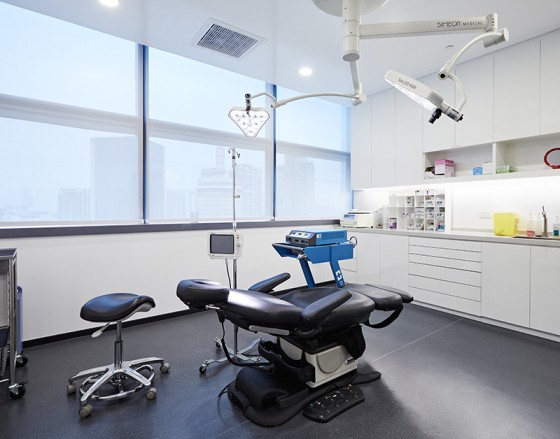
Clinic licensing refers to the mandatory regulatory approval required for any medical premises to host surgical procedures. In Singapore, the Healthcare Services Act (HCSA) provides the framework for licensing medical facilities. The standards for a clinic are determined by whether it is classified as a “day surgery centre” or a general medical clinic.
Critical facility standards that should be considered include:
- MOH Licence: The facility must display its valid Ministry of Health licence, indicating it meets environmental and safety standards.
- Operating Theatre (OT) Accreditation: If the clinic performs invasive surgery under general anaesthesia, the OT must meet stringent sterilisation and air filtration (HEPA) requirements.
- Emergency Support: The availability of resuscitation equipment, such as automated external defibrillators (AEDs) and oxygen supplies, is a prerequisite for safety.
- Staffing: The presence of trained nursing staff and, where applicable, a specialist anaesthesiologist for sedation-based procedures.
The Clinical Consultation Process
The consultation is one of the most important steps in the entire process of plastic surgery.
The consultation process is the initial medical encounter where a surgeon evaluates the patient’s health status, discusses surgical objectives, and establishes a treatment plan. During this stage, surgeons will take time to understand the patient’s specific concerns and goals. A personalised approach is used to create a customised surgical plan based on the patient’s unique anatomy and objectives. Patients are encouraged to bring a copy of their full medical and surgical history to the consultation.
A standardised consultation includes several distinct phases:
- Medical Screening: A review of chronic conditions, allergies, and previous surgical history.
- Physical Examination: A clinical assessment of the area to be treated, often involving skin quality assessment or bone structure analysis.
- Photographic Documentation: Taking “before” images for clinical records and surgical planning.
- Risk Disclosure: A detailed explanation of potential complications, such as haematoma, infection, or scarring.
- Psychological Readiness: An assessment of the patient’s motivations to ensure realistic expectations.
Pricing Transparency and Financial Disclosure
- Professional Fees: The surgeon’s charge for performing the procedure.
- Anaesthetist Fees: Charges for the specialist responsible for sedation or general anaesthesia.
- Facility/Hospital Fees: The cost of using the operating room and recovery ward.
- Consumables and Implants: The cost of materials like breast implants, sutures, or specialised dressings.
- GST and Administrative Costs: Applicable Goods and Services Tax and medication costs.
Post-Operative Care and Patient Safety Protocols
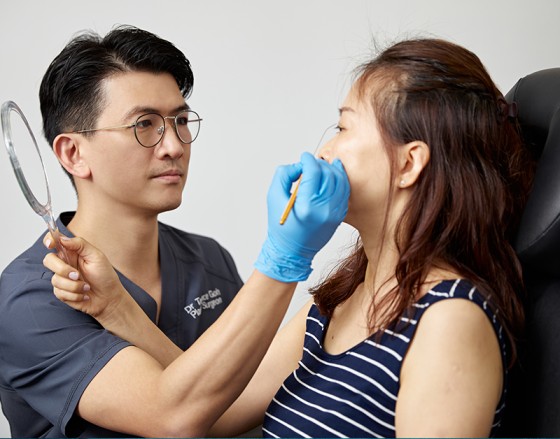
Patient safety involves the systemic measures taken to minimise risks during the perioperative period. Post-procedure care (or aftercare) refers to the medical monitoring and support provided during the recovery phase.
Important aftercare components include:
- Post-Operative Monitoring: Scheduled reviews at the 24-hour, 1-week, and 1-month marks.
- Wound Management: Instructions on dressing changes and the prevention of surgical site infections.
- Emergency Contact: Access to the surgical team for urgent concerns outside of office hours.
- Recovery Timeline: Clear guidance on when a patient can return to work or resume physical exercise.
Making an Informed Decision
When considering plastic surgery, gathering factual information may support decision-making processes. A consultation can provide information about various procedures, which may include reconstructive surgery, breast augmentation, and liposuction, depending on individual circumstances. During a consultation, surgeons can discuss individual goals, address concerns, and explain potential risks and benefits, as outcomes and suitability vary based on individual factors such as anatomy and healing characteristics. Surgical techniques are available, though their application depends on individual assessment and professional evaluation. Outcomes vary between individuals and may be influenced by factors including surgical technique, individual healing response, and anatomical considerations.
It is important to choose a plastic surgeon in Singapore known for their patient-centred approach, as this can significantly impact the quality and naturalness of your results.
Avoid surgeons who:
- promise ‘perfect’ results,
- downplay the risks involved,
- offer their services at abnormally low prices.
Patient feedback across multiple independent platforms is another important consideration for assessing a surgeon’s reputation. Always ask how often a surgeon performs the specific surgery you are considering.
Whether needs relate to aesthetic or reconstructive concerns, consultation with qualified surgeons can provide personalised information regarding available options, potential risks, and individual suitability for various procedures.
Frequently Asked Questions (FAQ)
How can I confirm if a plastic surgeon is board-certified in Singapore?
Verification is conducted via the Singapore Medical Council (SMC) website. Furthermore, you can look up if they are qualified individuals of the medical or dental profession holding a primary qualification registrable with the Singapore Medical Council or the Singapore Dental Council on the Academy of Medicine, Singapore, website.
What are the common risks associated with plastic surgery?
While procedures are generally safe when performed by specialists, risks include infection, adverse reactions to anaesthesia, poor wound healing, asymmetry, and dissatisfaction with the aesthetic result.
Is plastic surgery in Singapore covered by insurance?
Reconstructive surgeries—such as those required after an accident or for cancer treatment—are often covered by insurance or MediSave. Purely cosmetic procedures are typically out-of-pocket expenses.
What is the difference between a "cosmetic surgeon" and a "plastic surgeon"?
In Singapore, the term “plastic surgeon” is an accredited title for those who have completed recognised specialist training. “Cosmetic surgeon” is a general term and may be used by doctors from various backgrounds who perform aesthetic work but have not completed the formal plastic surgery residency.
How long is the typical recovery period for facial surgery?
Recovery varies by procedure. For example, blepharoplasty (eyelid surgery) typically requires 7 to 10 days of downtime, while a full facelift may require 2 to 3 weeks for swelling and bruising to subside significantly.
Choosing a plastic surgeon in Singapore requires a comprehensive evaluation of professional credentials, clinic licensing, and procedural safety. By prioritising surgeons accredited by the SMC and facilities that adhere to MOH standards, patients can ensure they receive care within a regulated environment designed to maximise safety and clinical outcomes.
Patients considering plastic surgery may consult official medical registers, review clinic licensing information, and schedule consultations to understand available treatment options and safety standards. This approach supports informed and responsible decision-making.
Begin Your Consultation With Confidence at AZATACA Plastic Surgery
With a strong emphasis on patient safety, ethical practice, and clinically sound outcomes, we take the time to understand each individual’s needs and expectations. Every treatment plan is carefully considered and guided by our qualified specialists.
We invite you to schedule a consultation with AZATACA Plastic Surgery to discuss your goals and receive personalised care guided by proven expertise and professional integrity.