Plastic surgery is a medical specialty concerned with restoring, reconstructing or altering the form and function of the face and body. It includes reconstructive and aesthetic procedures, as well as the assessment and management of wounds, scars, congenital differences and tissue defects. In Singapore, plastic surgery is regulated by established medical standards, with accredited specialists providing treatments that range from reconstructive procedures following injury or illness to cosmetic procedures intended to alter physical appearance.
Understanding how plastic surgery is practised, the different procedures available, and the importance of selecting an accredited plastic surgery clinic can help individuals make informed healthcare decisions. Regardless of whether a procedure is reconstructive or cosmetic, patient safety, appropriate assessment, and realistic expectations remain important considerations throughout the treatment journey.
This detailed guide explains the types of plastic surgery available in Singapore, who may be suitable candidates, what to expect before and after surgery, and the factors to consider when selecting a plastic surgeon.
Understanding Plastic Surgery: Cosmetic vs Reconstructive Procedures
Plastic surgery is divided into two primary categories: cosmetic surgery and reconstructive surgery. Although both involve surgical techniques performed by trained specialists, their objectives are different.
Cosmetic Surgery
Cosmetic surgery refers to procedures performed to modify physical appearance based on an individual’s aesthetic goals. These procedures are generally elective and are intended to improve facial or body proportions rather than address a medical condition.
Examples of cosmetic surgery include:
Cosmetic Procedure | Primary Purpose |
Face lift | Address visible facial ageing |
Eyelid surgery | Address upper-eyelid skin excess, ptosis, lower-eyelid bags or other functional and aesthetic concerns |
Rhinoplasty | Reshape the nose while maintaining facial balance |
Breast augmentation | Increase breast volume or improve symmetry |
Liposuction | Remove localised fat deposits |
Abdominoplasty | Remove excess abdominal skin and tighten underlying tissues |
Each procedure requires a personalised assessment of the patient to determine whether surgery is appropriate based on their anatomy, overall health, and treatment objectives.
Reconstructive Surgery
Reconstructive surgery aims to restore form and function following congenital differences, trauma, disease, cancer treatment or previous surgery. Appearance remains an important consideration because anatomical form, symmetry and function often influence one another. The primary goal is functional enhancement, although cosmetic outcomes are also considered during surgical planning.
Common reconstructive procedures include:
- Breast reconstruction following mastectomy
- Scar revision surgery
- Reconstruction after skin cancer removal
- Congenital deformity correction
- Facial reconstruction following trauma
Some procedures may have both reconstructive and cosmetic components depending on the patient’s clinical condition. The distinction is not always absolute. For example, rhinoplasty may address nasal appearance, breathing or both, while breast reduction may improve body proportions while relieving physical symptoms. The classification depends on the indication for treatment rather than the operation’s name alone.
Common Plastic Surgery Procedures Available in Singapore
Plastic surgery encompasses a wide range of procedures involving different areas of the body. Treatment recommendations vary according to each individual’s medical history, physical assessment, and desired outcomes.
Facial Procedures
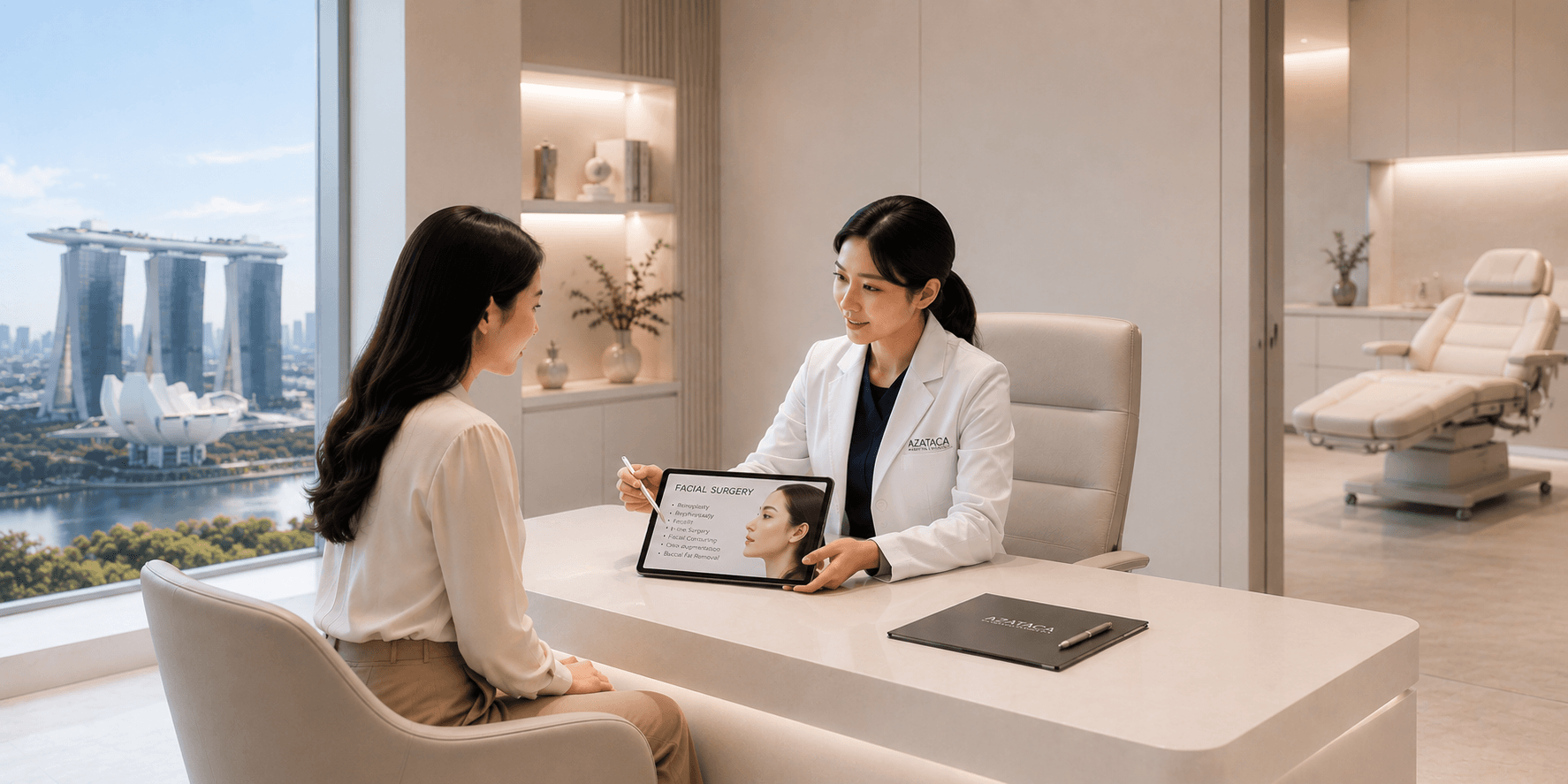
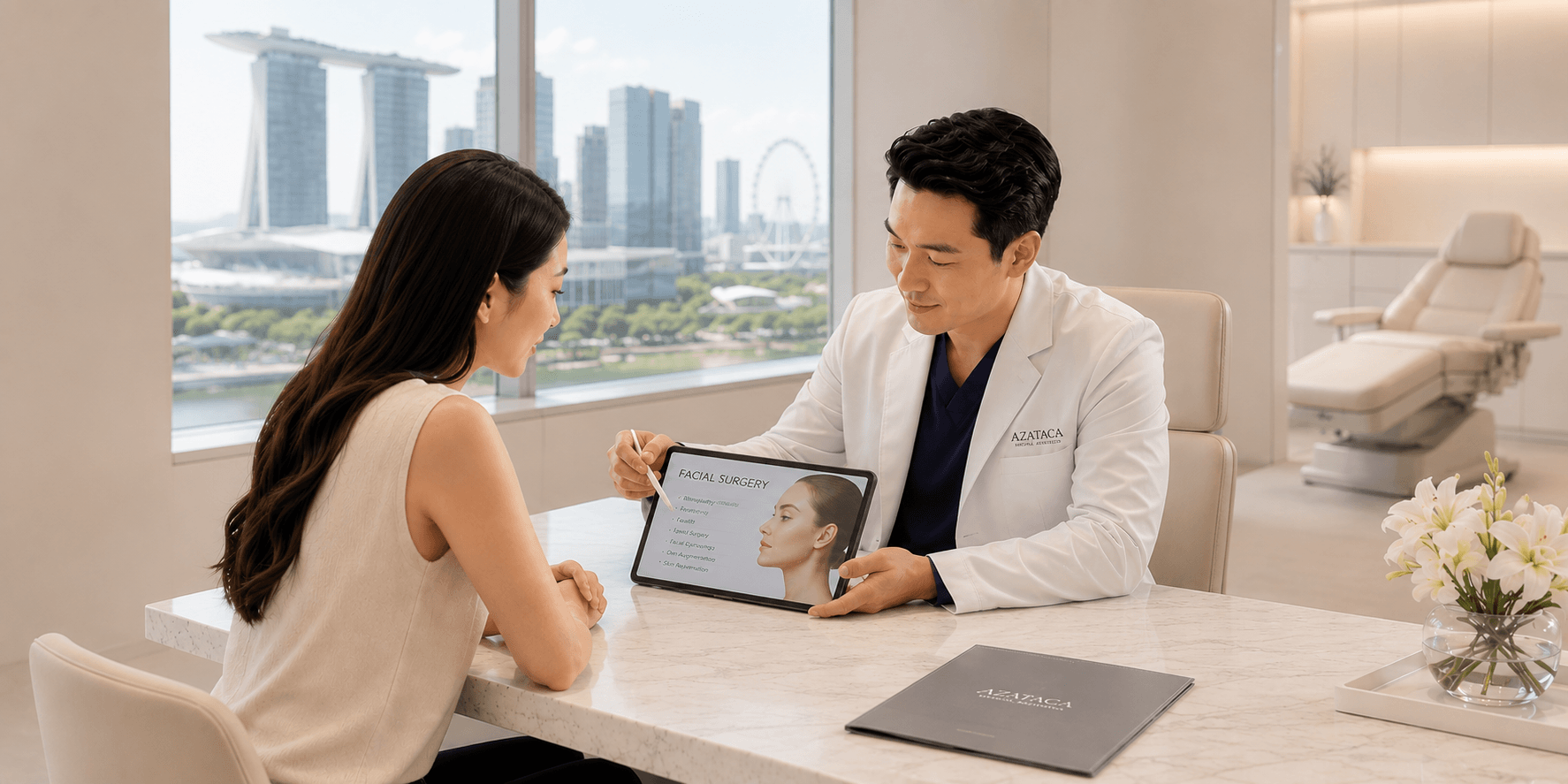
Facial plastic surgery focuses on improving facial structure, addressing signs of ageing, or correcting structural concerns that affect appearance or function.
Common facial procedures include:
- Face lift surgery
- Neck lift
- Eyelid surgery (blepharoplasty)
- Rhinoplasty
- Chin augmentation
- Otoplasty (ear reshaping)
Each procedure addresses specific anatomical concerns and requires careful surgical planning to achieve balanced results.
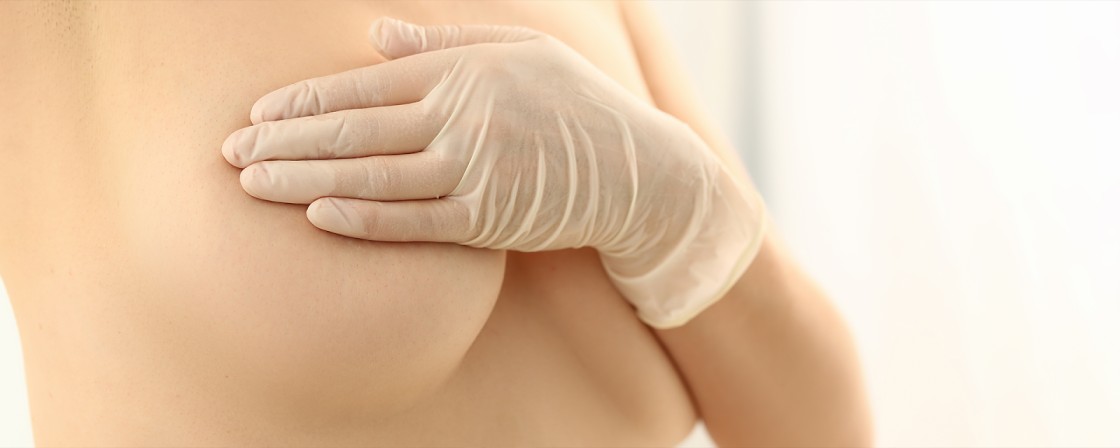
Breast Procedures
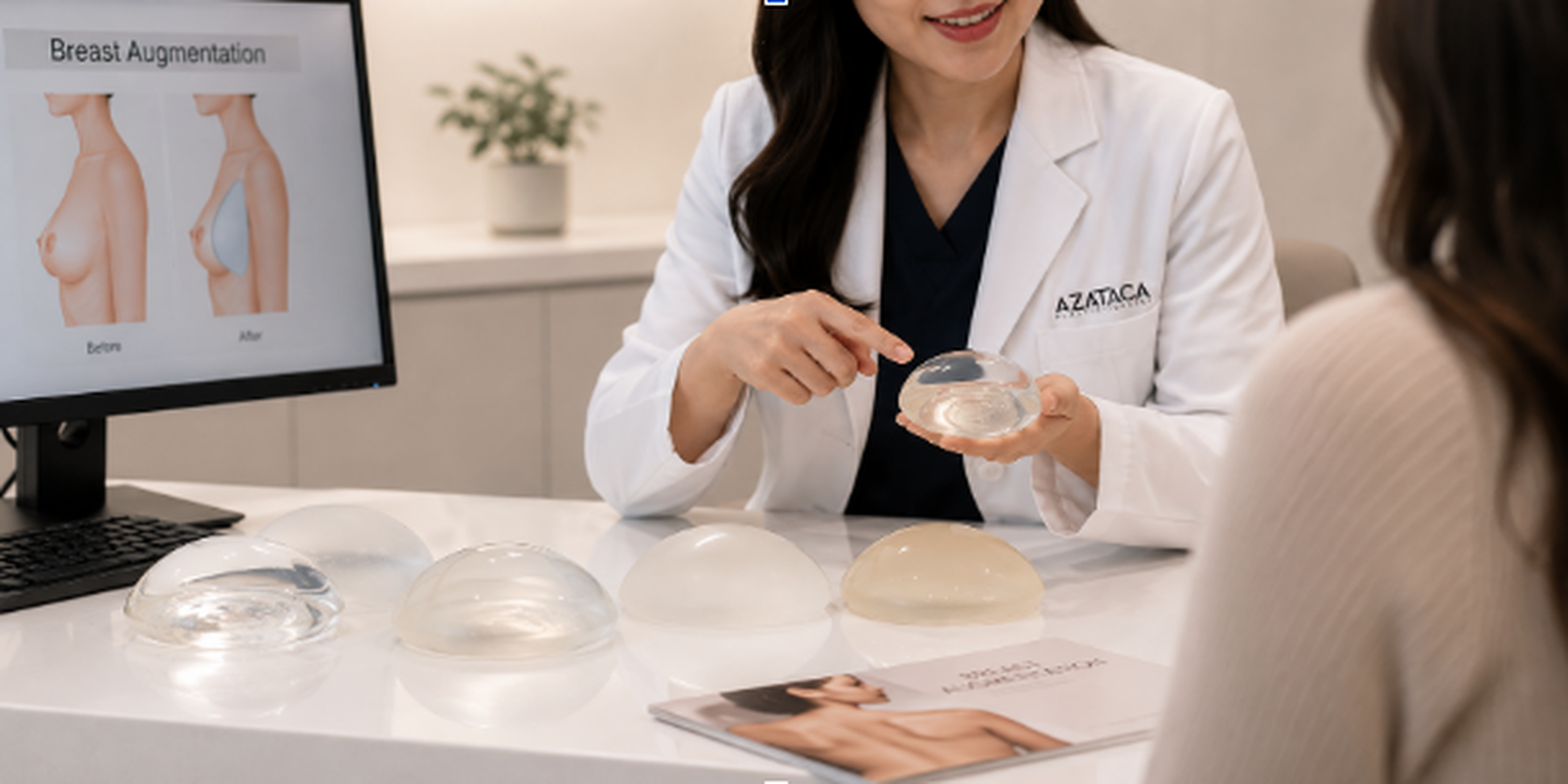
Breast surgery includes procedures performed for cosmetic enhancement, reconstruction, or reduction depending on individual needs.
Breast reduction may also be performed to relieve symptoms such as neck, shoulder or back discomfort, skin irritation and difficulty with physical activity.
Examples include:
- Breast augmentation
- Breast lift
- Breast reduction
- Breast reconstruction
- Implant replacement or revision surgery
Selection of implant type, surgical technique, and incision placement depends on multiple clinical factors discussed during consultation.
Body Contouring Procedures
Body contouring procedures reshape specific areas of the body by removing excess fat, skin, or tissue after weight changes, ageing, or pregnancy.
Common procedures include:
- Liposuction
- Abdominoplasty
- Arm lift
- Thigh lift
- Body lift
These procedures are intended to enhance body contour rather than serve as treatments for obesity or weight management.
Reconstructive Procedures
Reconstructive surgery may involve multiple techniques depending on the underlying condition requiring treatment.
Some examples include:
Reconstructive Procedure | Purpose |
Breast reconstruction | Restore breast volume and shape following cancer surgery |
Facial reconstruction | Restore facial anatomy after cancer surgery or after facial fracture injury |
Soft tissue reconstruction | Repair damaged tissue after trauma |
Skin cancer reconstruction | Repair tissue following tumour removal |
Lower Limb reconstruction | Restoration of lower limb defects after trauma or cancer surgery |
Repair of facial lacerations or Fixation of facial fractures | Repair of cut structures after facial trauma including restoration of bony structure |
Scar revision | Improve scar appearance or function |
Treatment plans are individualised according to the extent of reconstruction required and the patient’s overall health.

Why Specialist Credentials and Facility Licensing Matter
An accredited plastic surgery clinic follows recognised medical standards relating to patient care, surgical practice, infection control, and clinical governance. Accreditation also helps ensure that procedures are performed by appropriately qualified healthcare professionals within regulated facilities.
Selecting an accredited clinic contributes to several important aspects of patient care.
Specialist Expertise
Plastic surgeons accredited in Singapore undergo extensive specialist training after completing their medical education. Their training includes reconstructive and aesthetic surgical techniques, patient assessment, surgical planning, and postoperative care.
A specialist plastic surgeon has completed recognised postgraduate surgical and plastic-surgery training and is registered in the specialty of Plastic Surgery with the Singapore Medical Council. Patients can verify specialist registration through the relevant official professional register.
Comprehensive Assessment
A thorough surgical consultation helps determine whether surgery is appropriate and allows both the surgeon and patient to discuss:
- Medical history
- Current health conditions
- Previous surgical procedures
- Expected outcomes
- Potential risks
- Recovery requirements
This assessment supports informed decision-making before proceeding with treatment.
Patient Safety Protocols
Patient safety forms an essential component of every surgical procedure.
Accredited clinics typically follow established protocols involving:
- Sterile operating environments
- Preoperative medical evaluation
- Anaesthetic assessment where appropriate
- Infection prevention measures
- Structured postoperative monitoring
These protocols aim to minimise avoidable complications throughout the surgical process.
Continuity of Care
Plastic surgery extends beyond the operation itself. Follow-up appointments allow surgeons to monitor healing, identify potential complications early, and provide recovery guidance appropriate for each stage of healing.
Ongoing postoperative care also allows treatment plans to be adjusted if necessary during recovery.
Who Is a Suitable Candidate for Plastic Surgery?
Suitability for plastic surgery depends on a combination of medical, physical, and psychological factors rather than age alone.
A comprehensive consultation allows the plastic surgeon to determine whether surgery is appropriate based on individual circumstances.
In general, suitable candidates may include individuals who:
- Are in good general physical health
- Have realistic expectations regarding surgical outcomes
- Understand the recovery process
- Have stable body weight when applicable
- Do not have untreated medical conditions that significantly increase surgical risk
For reconstructive surgery, eligibility is determined by the underlying medical condition requiring treatment rather than cosmetic considerations.
Psychological readiness is also an important factor. Patients should understand both the potential benefits and limitations of surgery before making a treatment decision.
What to Expect Before, During, and After Surgery
Plastic surgery involves several stages that begin long before the operation itself and continue throughout the recovery period. Understanding each stage helps patients prepare both physically and mentally while supporting informed decision-making.
Although every procedure differs, most plastic surgery treatments follow a structured process that includes consultation, surgical planning, the operation itself, and postoperative follow-up.
Before Surgery
The period before surgery focuses on assessing suitability, discussing treatment goals, and preparing the patient for the procedure.
During the surgical consultation, the plastic surgeon typically evaluates several factors, including:
- Medical history and existing health conditions
- Current medications and supplements
- Previous surgeries
- Lifestyle factors such as smoking or alcohol consumption
- Physical examination of the treatment area
- Individual expectations and treatment objectives
Photographs may be taken for medical documentation and surgical planning. Depending on the procedure, laboratory investigations or medical clearance from another healthcare professional may also be required.
Patients are usually provided with preoperative instructions, which may include temporary adjustments to medication, smoking cessation where applicable, fasting requirements before surgery, and guidance regarding postoperative care arrangements.
During Surgery
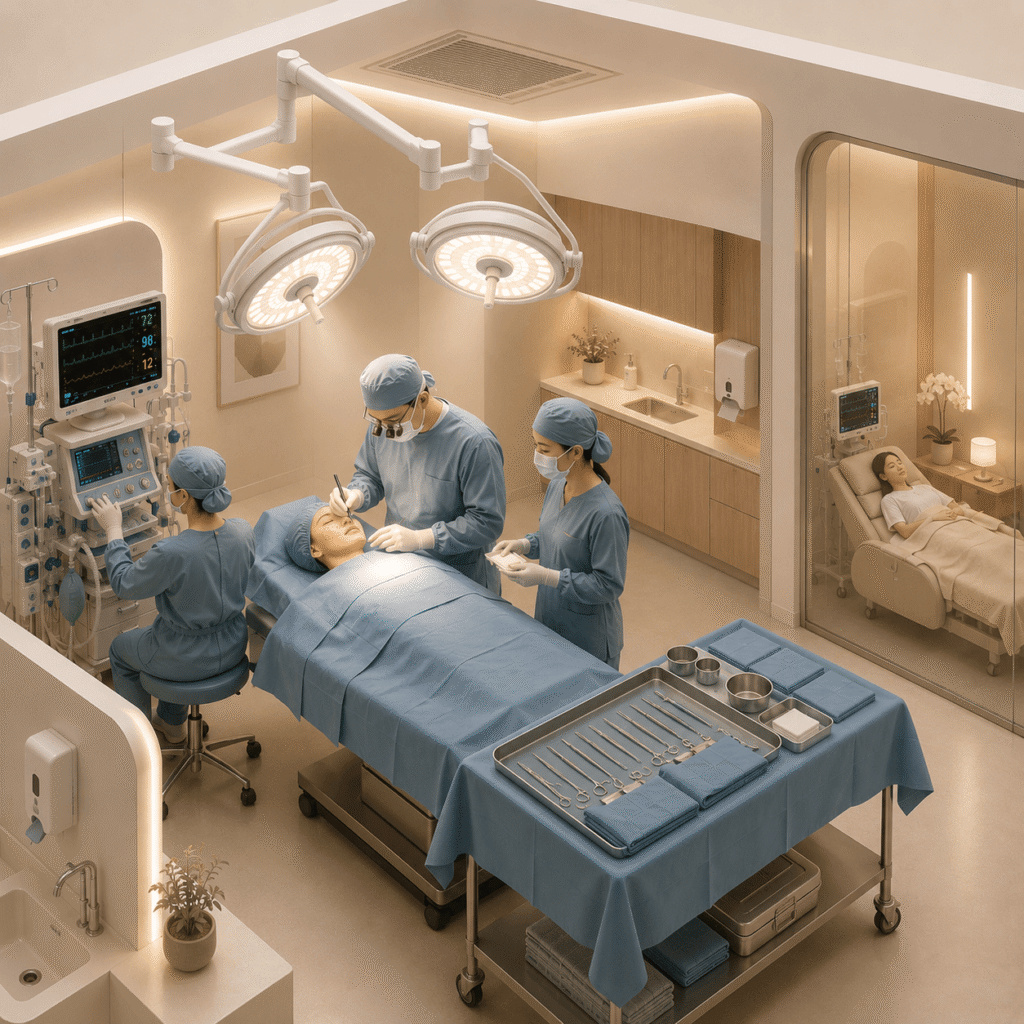
The surgical procedure is performed according to the treatment plan established during consultation. The complexity, duration, and type of anaesthesia vary depending on the procedure.
Several factors influence the surgical approach, including:
Consideration | Purpose |
Patient anatomy | Determines the most appropriate surgical technique |
Desired outcome | Guides treatment planning while maintaining realistic expectations |
Safety considerations | Minimises unnecessary surgical risks |
Recovery requirements | Supports appropriate postoperative healing |
Throughout surgery, patient monitoring is carried out by the surgical and anaesthesia teams according to established clinical protocols.
After Surgery
Recovery begins immediately after the procedure and continues over several weeks or months, depending on the type of surgery performed.
Patients typically receive instructions covering:
- Wound care
- Activity restrictions
- Medication use
- Follow-up appointments
- Signs of possible complications
Initial swelling, bruising, and temporary discomfort are common following many plastic surgery procedures. These changes gradually improve as healing progresses.
Recovery timelines differ considerably between facial procedures, breast surgery, body contouring procedures, and reconstructive surgery. The plastic surgeon provides personalised guidance based on the specific procedure performed and the patient’s progress during follow-up visits.
Understanding Risks, Safety Standards, and Recovery
Every surgical procedure carries potential risks. Plastic surgery is no exception, and understanding these risks forms an important part of informed consent.
While many patients recover without significant complications, individual outcomes vary according to the procedure, medical history, and adherence to postoperative instructions.
General Surgical Risks
Potential risks associated with plastic surgery may include:
- Bleeding
- Infection
- Delayed wound healing
- Scarring
- Temporary or permanent changes in sensation
- Anaesthetic-related complications
- Need for revision surgery in selected cases
Procedure-specific risks may include asymmetry, contour irregularity, implant-related problems, incomplete correction or changes in function. The relevant risks should be discussed for the individual operation rather than inferred from a general list.
The likelihood of these risks differs between procedures and individual patients.
Safety Standards in Singapore
Plastic surgery in Singapore is performed within a regulated healthcare environment. Accredited plastic surgeons follow recognised clinical standards relating to patient assessment, operative techniques, infection control, and postoperative management.
Patient safety is supported through measures such as:
- Careful patient selection
- Comprehensive preoperative assessment
- Sterile surgical facilities
- Appropriate anaesthetic monitoring
- Structured postoperative follow-up
These measures are intended to reduce avoidable complications while supporting safe recovery.
Recovery Expectations
Recovery is an ongoing biological process rather than a single event. While many patients resume light daily activities within days or weeks depending on the procedure, complete healing often continues for several months.
Several factors influence recovery, including:
- The type of surgery performed
- Overall health
- Age
- Lifestyle habits
- Compliance with postoperative instructions
Visible swelling generally improves before deeper tissue healing is complete. Final surgical outcomes may therefore only become fully apparent after the healing process has stabilised.
How to Choose the Right Plastic Surgeon in Singapore
Choosing a qualified plastic surgeon is one of the most important decisions before undergoing plastic surgery. Qualifications, experience, communication, and patient safety should all be considered alongside the proposed procedure.
Rather than focusing solely on cosmetic outcomes, patients should evaluate whether the surgeon provides comprehensive assessment, clear explanations, and evidence-based recommendations.
Verify Specialist Accreditation
Check that the doctor is registered as a specialist in Plastic Surgery with the Singapore Medical Council. General medical registration alone does not mean that a doctor is registered as a plastic-surgery specialist.
Accreditation demonstrates that the surgeon has completed recognised specialist training in plastic surgery beyond general medical qualifications.
Evaluate Relevant Experience
Plastic surgery includes numerous subspecialties, and surgeons may have greater experience in particular procedures.
Ask whether the surgeon regularly assesses and treats the relevant condition, what techniques may be suitable, why a particular approach is recommended and how complications or revision needs would be managed.
During consultation, patients may wish to ask about:
- Experience performing the proposed procedure
- Typical surgical approach
- Expected recovery
- Possible risks and complications
- Follow-up care arrangements
Open discussion supports realistic expectations and informed decision-making.
Assess Communication and Consultation
A thorough consultation should provide sufficient time for discussion without pressure to proceed with surgery.
A comprehensive consultation typically includes:
- Explanation of suitable treatment options
- Discussion of expected outcomes
- Review of potential risks
- Explanation of recovery requirements
- Opportunity for questions
Patients should feel comfortable discussing concerns before making a treatment decision.
Consider the Overall Standard of Care
The quality of care extends beyond the operation itself.
Factors worth considering include:
- Availability of postoperative follow-up
- Clear written recovery instructions
- Accessibility for postoperative concerns
- Appropriate emergency arrangements where necessary
These elements contribute to continuity of care throughout the surgical journey.
Long-Term Results and Maintaining Surgical Outcomes

Plastic surgery can produce lasting structural changes, although the natural ageing process and lifestyle factors continue after surgery.
Long-term outcomes depend on both the surgical procedure and ongoing personal health habits.
Natural Ageing Continues
Plastic surgery cannot permanently stop ageing. Facial skin, body tissues, and connective structures continue to change naturally over time.
Many procedures reposition or reshape tissues, but these tissues continue to age in accordance with normal biological processes.
Healthy Lifestyle Habits
Maintaining stable health may help preserve surgical outcomes.
Examples include:
- Maintaining a stable body weight
- Following a balanced diet
- Engaging in regular physical activity where appropriate
- Protecting skin from excessive ultraviolet exposure
- Following postoperative recommendations provided by the surgeon
These measures support overall wellbeing in addition to surgical results.
Regular Follow-Up
Some procedures benefit from periodic review, particularly when implants or reconstructive procedures are involved.
Follow-up appointments allow the plastic surgeon to monitor long-term healing, address patient concerns, and recommend further assessment if clinically appropriate.
Frequently Asked Questions (FAQs)
Is plastic surgery the same as cosmetic surgery?
No. Plastic surgery is the broader medical specialty that includes both cosmetic surgery and reconstructive surgery. Cosmetic surgery focuses on enhancing appearance, while reconstructive surgery aims to restore function or appearance following trauma, congenital conditions, illness, or previous surgery.
How do I know if I am a suitable candidate for plastic surgery?
Suitability depends on several factors, including your overall health, medical history, lifestyle, and the specific procedure being considered. An accredited plastic surgeon will perform a comprehensive assessment to determine whether surgery is appropriate and discuss realistic expectations based on your individual circumstances.
How long does plastic surgery recovery usually take?
Recovery varies according to the type of procedure and the individual patient. Minor procedures may allow a return to light daily activities within a relatively short period, while more extensive surgery can require several weeks before normal activities resume. Complete healing and final surgical outcomes often continue to develop over several months.
Are the results of plastic surgery permanent?
Plastic surgery produces long-lasting structural changes, but it does not stop the natural ageing process. Factors such as genetics, lifestyle, weight fluctuations, and skin quality may influence how results change over time. Maintaining a healthy lifestyle and attending follow-up appointments can help support long-term outcomes.
What should I discuss during my surgical consultation?
A surgical consultation should provide an opportunity to discuss your treatment goals, medical history, potential treatment options, expected outcomes, recovery process, possible risks, and alternative approaches where appropriate. It is also an opportunity to ask questions so you can make an informed decision before proceeding with surgery.
Are all plastic surgery procedures performed under general anaesthesia?
No. The type of anaesthesia depends on the complexity of the procedure, the treatment area, and individual patient considerations. Some procedures may be performed under local anaesthesia, local anaesthesia with sedation, or general anaesthesia. The most appropriate option is determined after clinical assessment.
Making an Informed Decision About Plastic Surgery
Plastic surgery encompasses a broad range of reconstructive and cosmetic procedures that are performed to improve appearance, restore function, or address changes resulting from ageing, trauma, illness, or congenital conditions. Understanding the distinction between cosmetic and reconstructive surgery, knowing what to expect throughout the treatment journey, and recognising the importance of patient safety are all essential components of informed decision-making.
Selecting an accredited plastic surgeon, undergoing a comprehensive consultation, and maintaining realistic expectations contribute to a well-planned surgical experience. Equally important are adherence to postoperative instructions and regular follow-up appointments, which support appropriate healing and long-term outcomes.
Every individual has unique anatomical characteristics, health considerations, and treatment objectives. For this reason, surgical recommendations should always be based on a personalised clinical assessment rather than general information alone.
Discuss Your Plastic Surgery Options with a Specialist Plastic Surgeon
A consultation provides an opportunity to clarify your concerns, review suitable surgical and non-surgical options, and understand the expected benefits, limitations, risks and recovery. Where surgery is not appropriate or is unlikely to meet your goals, alternative management or no treatment may be recommended.
To arrange an assessment, contact AZATACA Plastic Surgery Centre for a consultation with a specialist plastic surgeon.