Choosing a plastic surgery clinic is one of the most important decisions when considering cosmetic or reconstructive surgery. While the procedure itself plays a significant role in achieving the intended outcome, the qualifications of the surgeon, the standards of the clinic, and the quality of patient care are equally important factors that contribute to safety and informed decision-making.
In Singapore, plastic surgery is regulated under established medical standards, with accredited specialists practising within recognised healthcare facilities. Understanding what to ask during a surgical consultation can help patients evaluate whether a clinic is suitable for their individual needs while ensuring that expectations, risks, and recovery are discussed openly.
This comprehensive guide outlines ten important questions to ask before choosing a plastic surgery clinic, helping prospective patients better understand surgeon qualifications, clinic standards, treatment planning, and postoperative care.
Why Your Choice of Plastic Surgery Clinic Matters
Selecting a plastic surgery clinic involves more than comparing available procedures. The clinic serves as the environment where consultation, surgery, recovery planning, and follow-up care take place, making it an important part of the overall treatment journey.
A well-managed clinic supports patient safety through structured clinical protocols, qualified healthcare professionals, appropriate facilities, and comprehensive communication before and after surgery.
Choosing a clinic should therefore involve evaluating several aspects beyond convenience, including:
- Clinical governance
- Qualifications of the surgical team
- Safety protocols
- Consultation quality
- Postoperative support
A careful evaluation helps patients make informed decisions based on medical considerations rather than marketing claims.
Understanding Plastic Surgeon Qualifications and Accreditation
Accreditation demonstrates that the surgeon has completed recognised specialist education and clinical training in both reconstructive and aesthetic surgery.
Question 1: Is the Surgeon an Accredited Plastic Surgeon?
The first question patients should ask is whether the surgeon is accredited as a specialist in plastic surgery.
An accredited plastic surgeon has completed structured specialist training that includes:
- Cosmetic surgery
- Reconstructive surgery and Microsurgical techniques
- Treatment of burns and reconstruction
- Treatment of facial fractures and facial surgery
Verification of specialist credentials provides reassurance that the surgeon has received formal training within the recognised scope of plastic surgery.
Question 2: Does the Surgeon Regularly Assess and Treat This Condition?
Plastic surgery covers a broad range of procedures involving different anatomical regions and surgical techniques.
Patients should ask whether the surgeon has regular experience performing the specific procedure they are considering.
Patients should ask:
- Why the surgeon recommends the proposed technique
- What alternatives are available
- Which aspects of their anatomy may make the operation more straightforward or challenging
- How procedure-specific complications are managed
- Whether revision surgery may occasionally be required
Examples include:
Procedure | Relevant Experience |
Face lift | Facial ageing, tissue repositioning and scar placement |
Rhinoplasty | Nasal anatomy, structural support and airway assessment |
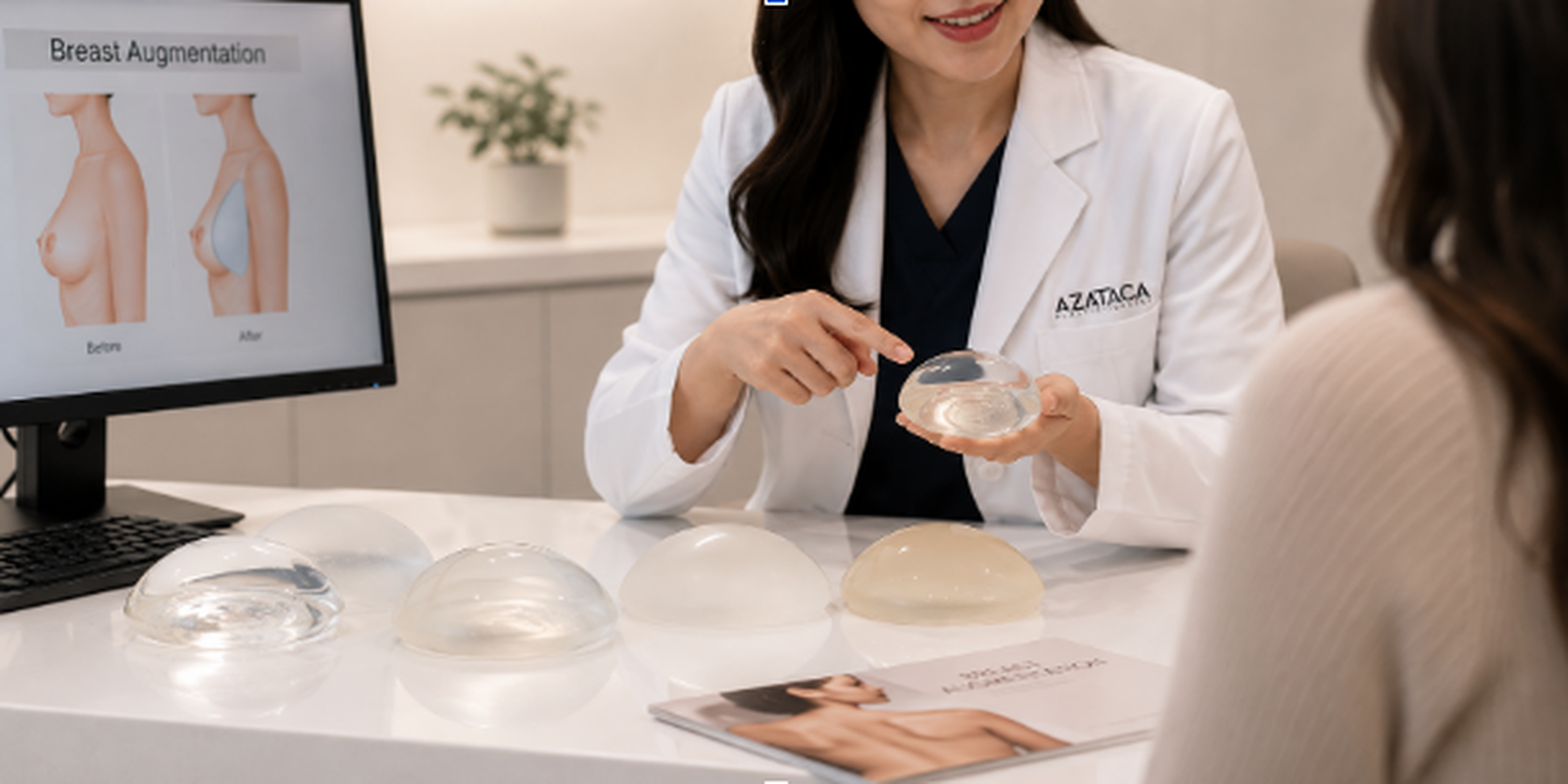
Breast augmentation | Implant selection, pocket planning and revision management |
Abdominoplasty | Abdominal wall assessment and body contouring |
Scar revision | Scar type, location, tension and recurrence risk |
Although all accredited plastic surgeons receive broad specialist training, some may have greater clinical experience in particular procedures.
Evaluating the Surgeon's Experience and Areas of Specialisation
Experience allows surgeons to assess individual anatomy, identify potential surgical challenges, and develop treatment plans that prioritise patient safety.
Rather than focusing solely on the number of years in practice, patients should consider how the surgeon approaches assessment, communication, and decision-making.
Question 3: What Treatment Options Are Suitable for My Situation?
Every patient presents with unique anatomical features, medical history, and treatment goals.
A thorough consultation should explain why a particular procedure is recommended while discussing alternative treatment options where appropriate.
Patients should expect explanations covering:
- Available surgical approaches
- Expected outcomes
- Limitations of each option
- Recovery considerations
- Potential risks
Recommendations should be based on individual assessment rather than a standardised treatment approach. A balanced consultation should also explain whether observation, a non-surgical option or no treatment may be reasonable. A recommendation should not assume that surgery is necessary simply because the patient has requested a consultation.
Question 4: Are My Expectations Realistic?
Plastic surgery aims to enhance appearance or restore function, but every procedure has limitations.
An experienced plastic surgeon should discuss realistic expectations by explaining:
- What surgery can reasonably achieve
- Factors that influence outcomes
- Individual anatomical limitations
- Recovery timelines
- Long-term considerations
Open discussion allows patients to make informed decisions. This discussion helps align the proposed treatment with what surgery can reasonably achieve.
Assessing Clinic Standards, Facilities, and Patient Safety
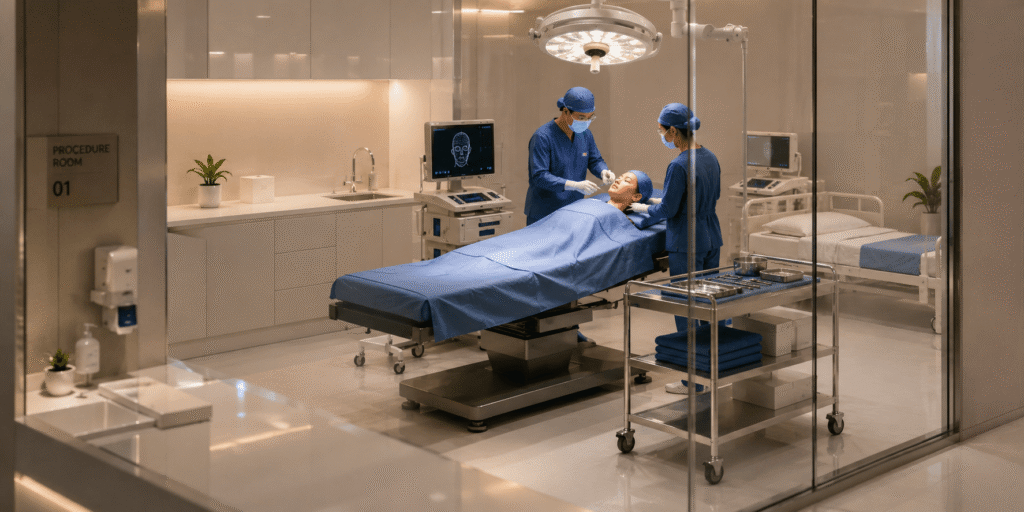
Patient safety depends not only on the surgeon but also on the standards maintained by the plastic surgery clinic.
Clinical protocols, sterile environments, emergency preparedness, and postoperative monitoring all contribute to safe surgical care.
Question 5: What Safety Standards Does the Clinic Follow?
Patients should understand how the clinic manages patient safety throughout the treatment process. Relevant arrangements depend on the operation and may include preoperative medical assessment, infection-prevention measures, anaesthetic monitoring, venous-thromboembolism prevention, emergency medication and equipment, transfer arrangements and access to postoperative advice.
Important areas to discuss include:
- Infection prevention measures
- Sterilisation protocols
- Anaesthesia arrangements
- Patient monitoring
- Emergency procedures where applicable
These measures help reduce avoidable risks associated with surgery.
Question 6: Where Will the Procedure Be Performed?
Procedures should be performed in a healthcare setting appropriately licensed and equipped for the proposed surgery and anaesthetic. Depending on the operation, this may be a clinic procedure room, ambulatory surgical centre or hospital operating theatre.
Patients should understand:
- The location of the procedure
- The type of operating facility
- The healthcare professionals involved
- Whether overnight observation may be necessary
Understanding these details helps patients prepare appropriately before surgery.
Reviewing Consultation Quality and Personalised Treatment Planning
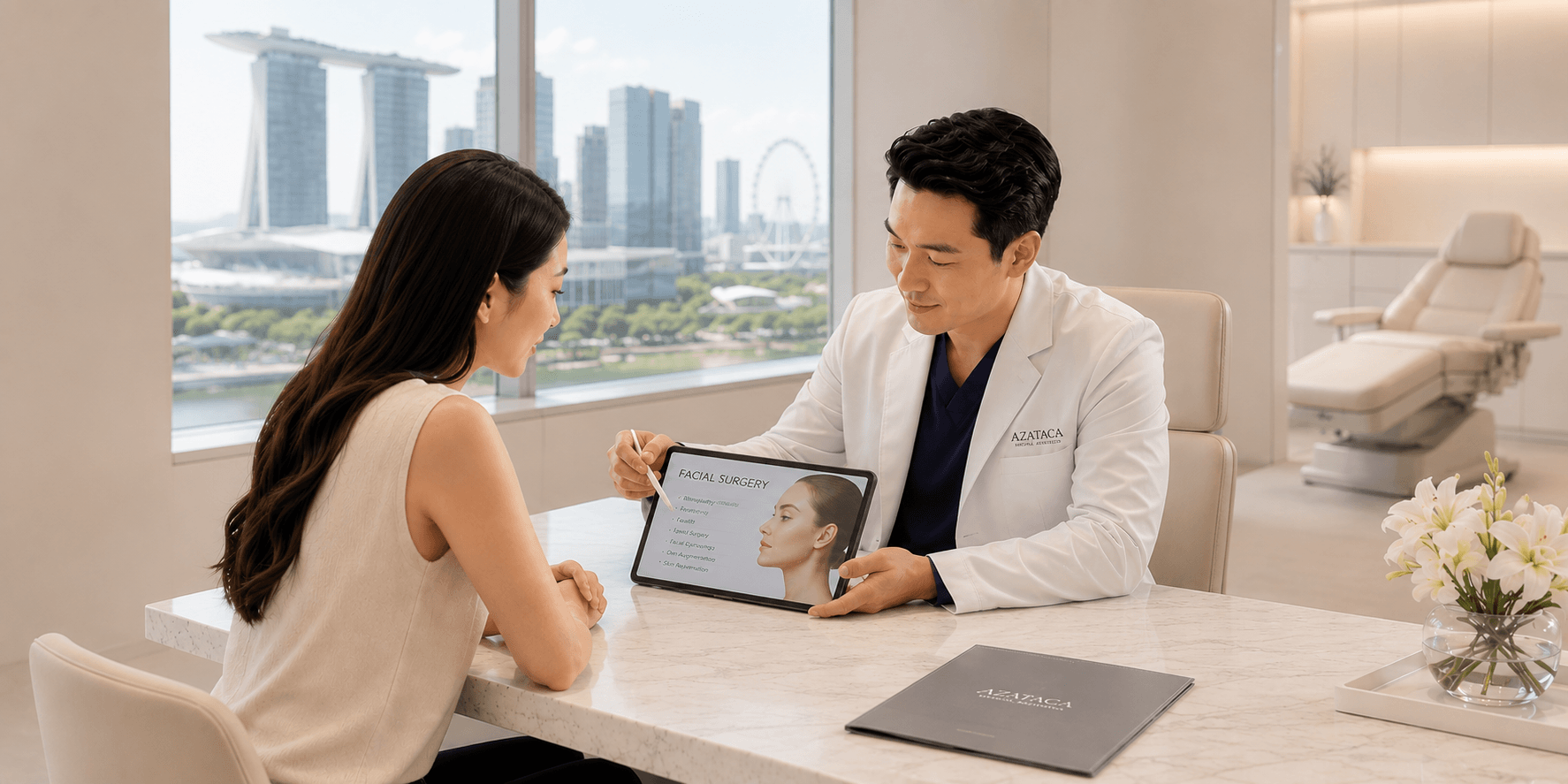
A surgical consultation is intended to gather clinical information, assess suitability for surgery, and provide patients with sufficient knowledge to make informed decisions.
A comprehensive consultation should never feel rushed and should allow adequate opportunity for discussion.
Question 7: Will I Receive a Personalised Treatment Plan?
No two patients have identical anatomy or treatment goals.
A personalised treatment plan generally considers:
- Medical history
- Physical examination findings
- Desired outcomes
- Lifestyle factors
- Recovery requirements
- Potential risks
The proposed surgical approach should reflect the patient’s individual circumstances rather than a standard treatment template.
Question 8: Will the Surgeon Clearly Explain Risks and Recovery?
Informed consent should cover the expected benefits, material risks, alternatives—including no surgery—and the likely consequences of proceeding or not proceeding. It should also explain procedure-specific concerns such as scarring, asymmetry, sensory changes, implant-related complications or possible revision where relevant.
During consultation, the surgeon should explain:
- Common risks associated with the procedure
- Expected recovery stages
- Activity restrictions
- Follow-up schedule
- Possible complications requiring medical review
Clear communication supports informed decision-making while helping patients prepare for the recovery process.
Evaluating Before-and-After Results and Patient Reviews
Before deciding on a plastic surgery clinic, patients should understand how previous treatment outcomes are presented and interpreted. While before-and-after photographs and patient testimonials may provide useful context, they should not be viewed as guarantees of future results.
Every individual differs in anatomy, skin quality, healing ability, medical history, and treatment goals. For this reason, surgical outcomes vary from one patient to another.
Question 9: How Will the Surgeon Help Me Understand the Range of Possible Outcomes?
During a private consultation, the surgeon may use clinical photographs, diagrams, simulations or anonymised educational examples where appropriate and where the necessary consent has been obtained. Such materials can illustrate surgical principles and possible outcomes, but they cannot predict an individual patient’s result.
When reviewing case examples, patients should consider:
- Whether the cases are similar to their own concerns
- Whether photographs are taken using consistent lighting and positioning
- Whether the results shown represent realistic expectations
- Whether sufficient recovery time has passed before the “after” photographs were taken
These discussions allow patients to better understand the surgical approach rather than compare themselves directly with previous patients.
Understanding Patient Reviews
Patient reviews may provide insights into the overall patient experience, including communication, clinic organisation, consultation quality, and follow-up care.
When reading reviews, it is helpful to consider several factors:
- Overall consistency across multiple reviews
- Comments regarding professionalism and communication
- Experiences relating to consultation and recovery support
- Balanced feedback rather than isolated positive or negative comments
Reviews should complement, rather than replace, a comprehensive consultation with the surgeon.
Understanding Surgical Risks, Recovery, and Follow-Up Care
Plastic surgery requires careful planning before the procedure and structured care after surgery. Recovery forms an essential part of the overall treatment process and varies according to the type of procedure performed and individual healing characteristics.
Patients should have a clear understanding of both the expected recovery process and the support available from the clinic after surgery.
Recovery Expectations
Recovery differs significantly between facial procedures, breast surgery, body contouring procedures, and reconstructive surgery.
During consultation, patients should expect to receive information regarding:
- The expected recovery timeline
- Temporary activity restrictions
- Wound care instructions
- Follow-up appointment schedule
- Signs that require medical review
Understanding these expectations helps patients prepare appropriately before undergoing surgery.
Postoperative Follow-Up
Follow-up appointments allow the surgeon to monitor healing, assess progress, and address any concerns that arise during recovery.
A structured follow-up plan may include:
Stage | Purpose |
Early postoperative review | Assess wound healing and overall recovery |
Intermediate review | Monitor swelling, healing progression, and activity resumption |
Long-term review | Evaluate surgical outcomes and ongoing recovery where appropriate |
Regular follow-up also provides opportunities for patients to ask questions as healing progresses.
Comparing Treatment Costs and Overall Value
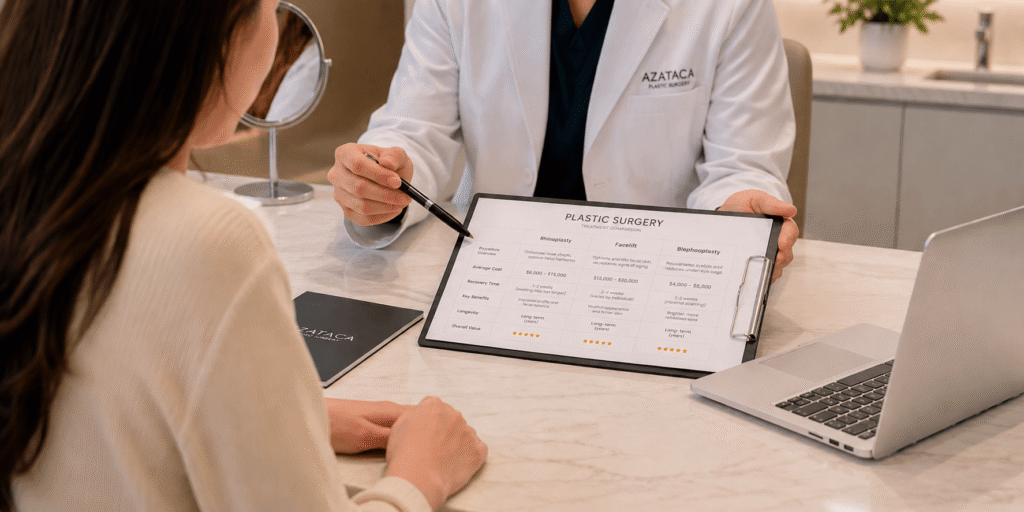
While cost is an important consideration for many patients, it should not be the only factor influencing the choice of a plastic surgery clinic.
Plastic surgery involves numerous components beyond the surgical procedure itself. These may include consultation, preoperative assessment, anaesthesia, operating facilities, postoperative monitoring, and follow-up care.
Patients should ensure they understand what is included within the proposed treatment plan rather than comparing figures alone.
Question 10: What Is Included in the Quoted Fee, and What Additional Costs Could Arise?
A comprehensive treatment plan should clearly explain the services associated with the proposed procedure.
Patients should clarify:
- surgeon’s fee;
- anaesthetist’s fee;
- facility or hospital charges;
- implants, garments or devices;
- medications and investigations;
- scheduled follow-up;
- management of complications; revision policy;
- possible additional admission or imaging costs;
- GST.
A quotation should explain what is included and identify foreseeable charges that are billed separately. Patients should also ask how unplanned hospital admission, additional investigations, complications or revision procedures would be charged.
Identifying Warning Signs When Choosing a Plastic Surgery Clinic
Recognising potential warning signs can help patients avoid making decisions based solely on convenience, cost, or promotional claims.
A professional plastic surgery clinic should prioritise patient education, informed consent, and clinical suitability rather than encouraging immediate decisions.
Examples of potential red flags include:
- Limited discussion of surgical risks
- Insufficient time allocated for consultation
- Pressure to commit to surgery immediately
- Lack of personalised assessment
- Unclear postoperative follow-up arrangements
- Difficulty verifying specialist accreditation
The presence of one factor does not necessarily indicate poor practice, but patients should seek clarification whenever information is incomplete or unclear.
Practical Checklist Before Committing to Surgery
Before proceeding with plastic surgery, patients benefit from reviewing the information gathered during consultation and ensuring that all important questions have been addressed.
The following checklist may assist in the decision-making process:
- Confirm the surgeon’s specialist accreditation.
- Understand the recommended procedure and available alternatives.
- Discuss expected outcomes and limitations.
- Review the potential risks and recovery timeline.
- Understand the clinic’s patient safety protocols.
- Clarify the postoperative follow-up plan.
- Ensure that sufficient time has been provided to make an informed decision.
Taking time to review these considerations supports thoughtful planning and encourages realistic expectations throughout the treatment journey.
Frequently Asked Questions (FAQs)
Why is choosing the right plastic surgery clinic important?
Choosing the right plastic surgery clinic helps ensure that treatment is carried out within an appropriate clinical environment by qualified healthcare professionals. The clinic’s standards, patient safety protocols, consultation process, and postoperative care all contribute to the overall treatment experience and support informed decision-making.
How can I verify that a plastic surgeon is accredited in Singapore?
Patients should verify that their surgeon is recognised as a specialist in plastic surgery through the relevant professional registers in Singapore. During the consultation, patients may also ask about the surgeon’s qualifications, specialist training, and experience performing the specific procedure being considered.
Should I choose a clinic based on patient reviews alone?
No. Patient reviews can provide useful information about consultation experiences, communication, and follow-up care, but they should not be the sole basis for choosing a clinic. Reviews should be considered alongside the surgeon’s qualifications, clinic standards, personalised assessment, and the quality of information provided during consultation.
What questions should I ask during my first consultation?
Patients should ask about the surgeon’s qualifications, recommended treatment options, expected outcomes, potential risks, recovery timeline, follow-up care, and the clinic’s patient safety protocols. A thorough consultation should also provide sufficient opportunity to discuss individual concerns and clarify any uncertainties before making a treatment decision.
Is a personalised treatment plan necessary?
Yes. Every patient has unique anatomical characteristics, medical history, and treatment objectives. A personalised treatment plan allows the plastic surgeon to recommend an approach that is appropriate for the individual’s circumstances rather than applying a standard treatment method to every patient.
Can every patient undergo cosmetic surgery?
Not necessarily. Suitability depends on factors such as general health, medical history, lifestyle, psychological readiness, and the nature of the proposed procedure. An accredited plastic surgeon will assess these factors during consultation before determining whether surgery is appropriate.
Choosing a Plastic Surgery Clinic with Confidence
Selecting a plastic surgery clinic requires careful evaluation of multiple factors beyond the procedure itself. The surgeon’s qualifications, clinic standards, patient safety protocols, consultation quality, and structured postoperative care all contribute to a well-planned treatment journey.
Asking informed questions during consultation allows patients to better understand their treatment options, expected outcomes, recovery requirements, and potential risks. It also provides an opportunity to determine whether the proposed treatment plan has been developed specifically for their individual needs.
Taking time to compare clinics based on clinical expertise, transparent communication, and evidence-based recommendations supports informed decision-making while helping patients establish realistic expectations before proceeding with surgery.
Take the Next Step Towards Choosing the Right Plastic Surgery Clinic
If you would like further information about choosing a plastic surgery clinic or wish to discuss whether a surgical procedure may be appropriate for your individual circumstances, you can get in touch with AZATACA Plastic Surgery Centre for a professional surgical consultation. A personalised assessment allows a qualified plastic surgeon to explain suitable treatment options, expected outcomes, potential risks, and recovery considerations based on your medical history and treatment goals.