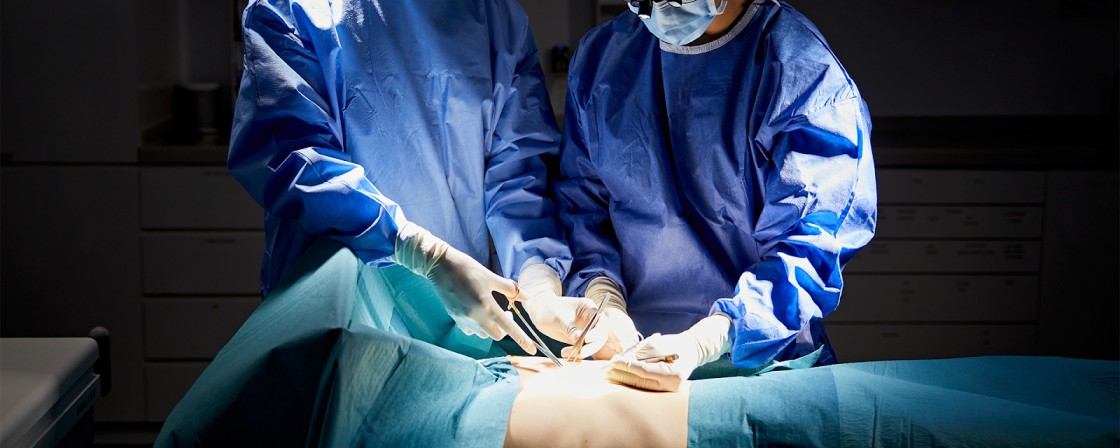
Plastic surgery is a medical specialty that reconstructs, restores, or enhances parts of the body through surgical procedures. It includes reconstructive procedures that correct injuries or medical conditions and cosmetic procedures designed to improve appearance.
In Singapore, plastic surgery is performed by specialists trained and accredited under strict medical regulations. Patients considering plastic surgery often want to understand the available procedures, safety standards, recovery expectations, and how to choose a qualified surgeon.
This guide explains the most common plastic surgery procedures, how the surgical process works, and what individuals should know before considering treatment in Singapore.
What Is Plastic Surgery?
Plastic surgery is a medical field focused on repairing, reconstructing, or enhancing the body’s appearance and function. It includes procedures that correct congenital conditions, injuries, burns, or disease, as well as cosmetic procedures designed to improve aesthetic features.
Plastic surgery can involve the face, breasts, or body. Some procedures restore normal function, while others refine appearance or body proportions. In Singapore, plastic surgery is practiced by specialists who undergo extensive training and are registered under national medical authorities.
Plastic Surgery vs Cosmetic Surgery: Key Differences
Although the terms are often used interchangeably, plastic surgery and cosmetic surgery have different primary goals.
Aspect | Plastic Surgery | Cosmetic Surgery |
Main Purpose | Restore function and appearance | Enhance aesthetic appearance |
Medical Necessity | Often medically required | Typically elective |
Focus | Reconstruction and repair | Aesthetic improvement |
Examples | Breast reconstruction, burn repair | Rhinoplasty, liposuction |
Plastic surgery focuses on correcting structural abnormalities or restoring function after trauma, disease, or congenital conditions. Cosmetic surgery, on the other hand, is primarily performed to improve physical appearance and body symmetry.
Plastic Surgery Regulations in Singapore
Plastic surgery in Singapore is regulated to ensure patient safety and professional standards.
Plastic surgeons must be registered with the Singapore Medical Council (SMC) and accredited through the Specialists Accreditation Board (SAB) before they can practice as specialists. This process includes medical education, postgraduate training, and specialized surgical training in plastic surgery.
Patients considering plastic surgery should verify a surgeon’s specialist registration and training background before proceeding with consultation or treatment.
How to Choose a Plastic Surgeon in Singapore
Choosing a qualified plastic surgeon is one of the most important decisions in the surgical process.
Patients commonly evaluate several factors before selecting a surgeon:
- Specialist certification and professional registration
- Experience performing specific procedures
- Communication during consultations
- Explanation of risks, benefits, and realistic outcomes
- Accreditation of the surgical facility
A thorough consultation allows patients to understand whether the proposed procedure aligns with their goals and medical condition.
Questions to Ask During a Plastic Surgery Consultation
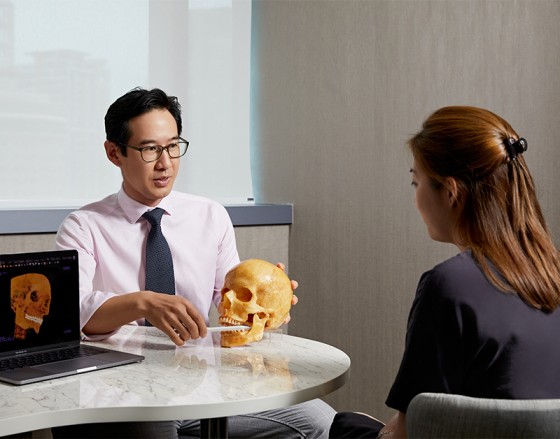
A consultation helps patients understand the procedure and determine whether it is appropriate for them.
Common questions patients may ask include:
- Are you registered as a plastic surgery specialist in Singapore?
- How frequently do you perform this procedure?
- What are the potential risks or limitations?
- What type of anesthesia will be used?
- How should I prepare for surgery?
- What does the recovery period involve?
- Where will the procedure be performed?
These discussions help patients make informed decisions about treatment options.
Common Facial Plastic Surgery Procedures
Facial procedures are among the most commonly requested plastic surgery treatments. These procedures address structural concerns or signs of aging while maintaining facial balance.
The most common facial plastic surgery procedures include:
- Rhinoplasty (nose reshaping)
- Blepharoplasty (eyelid surgery)
- Facelift (rhytidectomy)
- Chin augmentation
- Neck lift
Each procedure focuses on improving facial harmony while preserving natural facial expressions.
Rhinoplasty (Nose Surgery)
Rhinoplasty may involve structural modification of the nasal framework, including bone, cartilage, and soft tissue. Incisions are typically placed inside the nostrils or at the base of the nose to minimize visible scarring. Rhinoplasty can be performed for cosmetic refinement, functional improvement, or both.
In Asian patients, augmentation techniques using cartilage grafts or implants are often required to improve projection and definition, while preserving structural support. Rhinoplasty reshapes the nose to improve facial proportions or correct structural issues that affect breathing.
Blepharoplasty (Eyelid Surgery)
Blepharoplasty improves the appearance of the upper or lower eyelids by removing excess skin or fat.
Upper eyelid surgery addresses drooping eyelids that create a tired appearance. Lower eyelid surgery reduces under-eye bags or puffiness. Incisions are carefully placed along natural eyelid creases to keep scars discreet.
Facelift (Rhytidectomy)
A facelift addresses sagging skin, wrinkles, and reduced facial definition caused by aging.
During the procedure, surgeons reposition deeper facial tissues and remove excess skin to create a smoother, firmer appearance. Incisions are usually hidden along the hairline or around the ears.
Non-Surgical Facial Treatments
Not all aesthetic concerns require surgery. Some patients choose non-surgical treatments to maintain skin quality or address early signs of aging.
Common non-surgical treatments include:
- Botulinum toxin injections (Botox)
- Dermal fillers
- Laser resurfacing
- Chemical peels
- Skin tightening treatments
These procedures can complement surgical results or delay the need for surgery.
Popular Breast Plastic Surgery Procedures
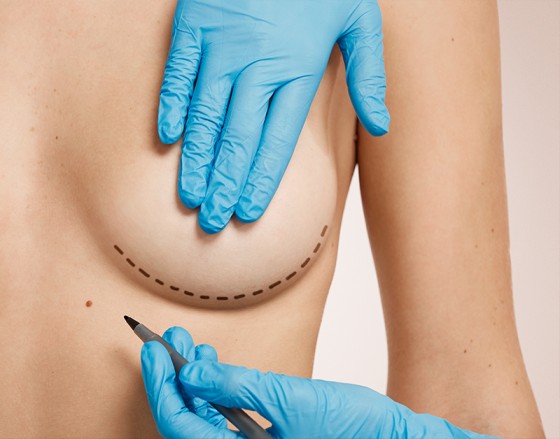
Breast procedures are among the most widely performed plastic surgery treatments worldwide. They address concerns related to size, shape, or breast position.
Breast Augmentation
Breast augmentation increases breast size using implants or fat transfer techniques. Implants may be saline or silicone and are placed either behind the breast tissue or beneath the chest muscle.
This procedure may improve body proportions and breast symmetry.
Breast Lift (Mastopexy)
A breast lift raises and reshapes sagging breasts by removing excess skin and tightening surrounding tissue.
Patients often consider mastopexy after pregnancy, weight changes, or aging. A lift can also be combined with breast augmentation to increase volume.
Breast Reduction
Breast reduction surgery removes excess breast tissue, fat, and skin to decrease breast size.
This procedure may relieve physical discomfort such as:
- Back pain
- Neck strain
- Shoulder pressure
- Skin irritation beneath the breasts
Reducing breast weight may improve comfort and posture.
Breast Reconstruction
Breast reconstruction rebuilds the shape and appearance of a breast following mastectomy or trauma.
The procedure may involve implants, tissue flaps, or a combination of surgical techniques. Reconstruction can be performed immediately after breast removal surgery or at a later stage.
Body Contouring Plastic Surgery Procedures
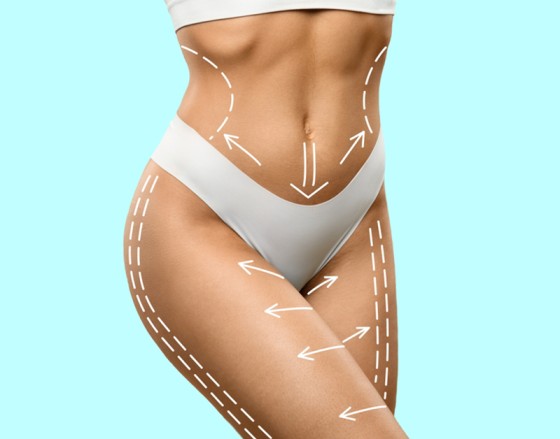
Body contouring procedures reshape specific areas of the body by removing excess fat or skin.
Liposuction
Liposuction removes localized fat deposits that do not respond to diet or exercise.
Common treatment areas include:
- Abdomen
- Hips
- Thighs
- Back
- Arms
- Chin
It is important to note that liposuction is not a weight-loss procedure but a body contouring technique designed to improve body proportions.
Tummy Tuck (Abdominoplasty)
A tummy tuck removes excess abdominal skin and tightens weakened abdominal muscles.
This procedure is often considered after pregnancy or significant weight loss when loose skin remains. The goal is to create a flatter and firmer abdominal profile.
Arm and Thigh Lifts
Additional body contouring procedures include:
Brachioplasty (arm lift) – removes loose skin from the upper arms
Thigh lift – tightens excess skin around the inner or outer thighs
Body lift – addresses loose skin around the abdomen, hips, and back
These procedures are often considered after major weight loss.
How Much Does Plastic Surgery Cost in Singapore?
The cost of plastic surgery in Singapore varies depending on the procedure, surgeon experience, surgical facility, and anesthesia requirements.
Typical cost factors include:
- surgeon’s professional fee
- anesthesia services
- operating facility costs
- post-operative care and follow-up visits
In Singapore, facial procedures such as eyelid surgery or rhinoplasty typically range from several thousand dollars upwards, depending on complexity.
More extensive procedures such as breast surgery or abdominoplasty involve higher costs due to operating time, facility use, and recovery requirements.
A consultation is required to determine the appropriate treatment plan and cost estimate.
Who Is a Good Candidate for Plastic Surgery?
Good candidates for plastic surgery are individuals who are in good overall health, have realistic expectations, and want to improve specific physical concerns.
During consultation, surgeons evaluate:
- medical history
- skin quality and anatomy
- lifestyle factors
- treatment goals
A personalized evaluation helps determine whether a surgical procedure is appropriate.
The Plastic Surgery Process: Step-by-Step
Initial Consultation
The process begins with a consultation where the surgeon evaluates the patient’s health, anatomy, and goals. This discussion helps determine whether a procedure is suitable and what results may realistically be expected.Pre-Surgery Preparation
Before surgery, patients receive detailed instructions that may include:- stopping certain medications
- completing medical tests
- arranging transportation after surgery
- preparing for post-operative recovery
The Surgical Procedure
Plastic surgery procedures are typically performed in accredited hospitals or licensed surgical facilities. Depending on the procedure, surgery may take one to several hours and may involve local anesthesia with sedation or general anesthesia.Recovery and Aftercare
Recovery times vary depending on the procedure performed. Minor procedures may require only a few days of recovery, while more extensive surgeries such as tummy tuck or breast surgery may require several weeks for healing. Patients usually receive instructions for wound care, activity restrictions, and follow-up appointments to monitor recovery.Risks and Considerations of Plastic Surgery
Like all surgical procedures, plastic surgery carries potential risks.
Possible risks include:
- infection
- scarring
- anesthesia complications
- delayed healing
- dissatisfaction with results
Discussing these risks with a qualified plastic surgeon helps patients understand the benefits and limitations before proceeding with treatment.
Frequently Asked Questions About Plastic Surgery
What is plastic surgery?
Plastic surgery is a medical specialty that focuses on reconstructing, repairing, or enhancing parts of the body. Procedures may restore function after injury or disease, correct congenital conditions, or improve aesthetic features through cosmetic treatments.
What are the most common plastic surgery procedures?
Common plastic surgery procedures include rhinoplasty, liposuction, breast augmentation, eyelid surgery, and tummy tuck surgery. Reconstructive procedures such as breast reconstruction and cleft lip repair are also widely performed within the plastic surgery field.
Why do people choose plastic surgery?
People pursue plastic surgery for many reasons, including improving physical appearance, restoring body symmetry, correcting structural abnormalities, or addressing features affected by aging, injury, or medical conditions.
How long does recovery from plastic surgery take?
Recovery time varies depending on the procedure. Non-surgical treatments may require minimal downtime, while surgical procedures such as abdominoplasty or breast surgery may require several weeks for full healing and recovery.
Is plastic surgery safe in Singapore?
Plastic surgery in Singapore is performed under strict medical regulations. Surgeons must complete specialist training and register with national medical authorities, and procedures are typically performed in accredited medical facilities.
What factors determine which plastic surgery procedure is best?
The most appropriate procedure depends on a patient’s health, anatomy, and aesthetic goals. A consultation with a qualified plastic surgeon allows for a personalized evaluation and discussion of treatment options.
What are the latest advancements in plastic surgery?
Recent developments in plastic surgery include minimally invasive techniques, advanced imaging technology, regenerative treatments such as fat grafting, and enhanced recovery protocols designed to reduce downtime and improve outcomes.
Conclusion
Plastic surgery in Singapore is a regulated medical field that includes both reconstructive and aesthetic procedures, each designed to address specific functional or appearance-related concerns. From understanding the differences between procedure types to evaluating safety standards, costs, and recovery, making an informed decision requires careful consideration of multiple factors. Consulting a qualified specialist, asking relevant questions, and having realistic expectations are essential steps in determining whether a procedure is appropriate for your needs.
Choosing to undergo plastic surgery is a personal decision that should be based on accurate information and professional medical advice. A consultation provides the opportunity to assess your individual condition, discuss suitable options, and understand potential risks and outcomes in a clinical setting.
Book a consultation to discuss your options with a qualified plastic surgeon.