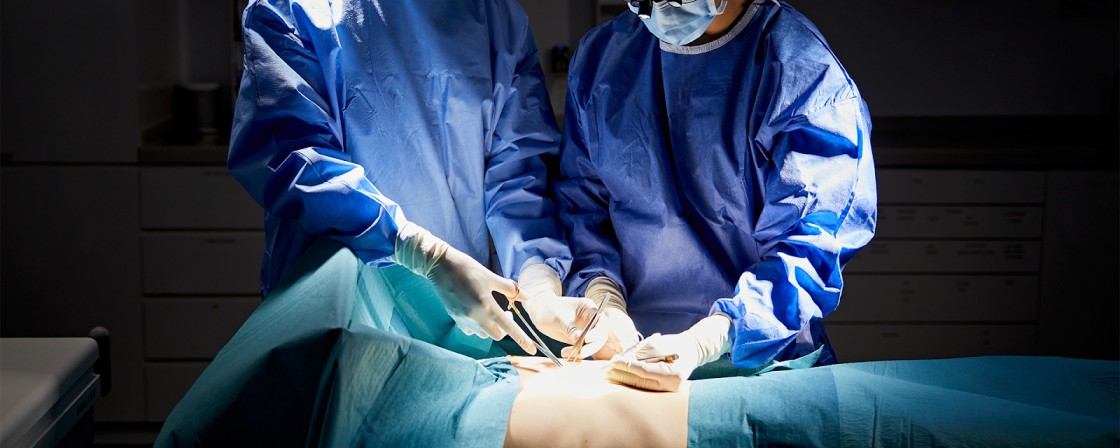
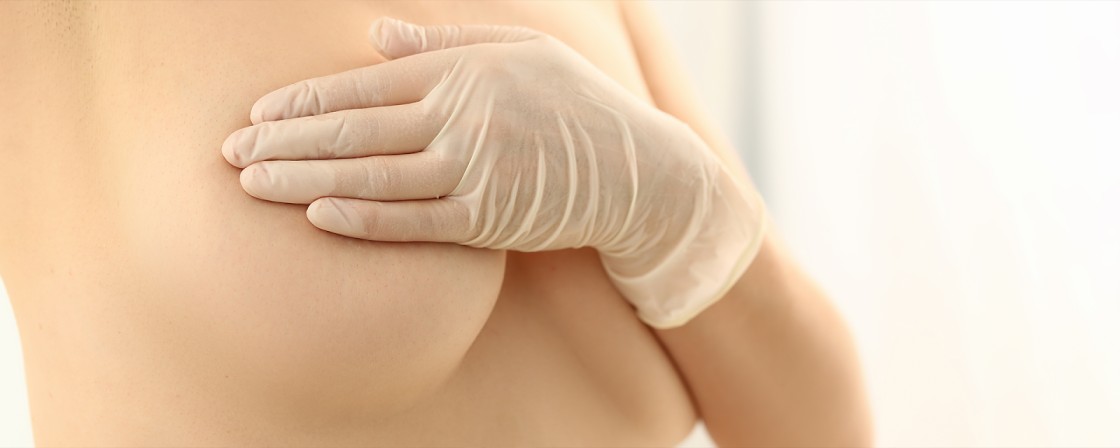
A plastic surgeon in Singapore is a medical specialist trained to perform surgical procedures that restore, reconstruct, or enhance physical appearance and body function. These procedures may include reconstructive surgery following injury or disease as well as cosmetic procedures designed to improve facial or body aesthetics.
Plastic surgery is practiced within a highly regulated healthcare environment in Singapore. Surgeons who use the title “plastic surgeon” must complete formal specialist training and be recognised by the Singapore Medical Council (SMC). This regulatory framework ensures that patients receive care from doctors who meet national standards for training, certification, and professional accountability.
Understanding the qualifications of a plastic surgeon, the types of procedures available, and the safety standards followed by clinics can help patients make informed decisions when considering plastic surgery.
What Does a Plastic Surgeon in Singapore Do?
A plastic surgeon is trained to perform procedures that reshape, repair, or restore parts of the body. These procedures may address medical conditions, trauma, congenital abnormalities, or aesthetic concerns.
Plastic surgeons in Singapore commonly provide care in two major areas:
- Reconstructive surgery, which restores function or appearance after disease or injury
- Cosmetic surgery, which focuses on improving aesthetic appearance
Both types of procedures require specialised surgical training and careful patient evaluation before treatment.
Qualifications of a Plastic Surgeon in Singapore
The title “plastic surgeon” is legally protected in Singapore. Only doctors who complete recognised specialist training and are listed on the SMC Specialist Register may use this title.
Patients evaluating a plastic surgeon often review several professional credentials.
Key Qualifications to Verify
Important credentials include:
- Singapore Medical Council Specialist Register – confirms the doctor is accredited as a plastic surgeon
- Specialist Accreditation Board (SAB) certification – verifies completion of specialist training
- Fellowship of the Academy of Medicine, Singapore (FAMS) – indicates recognition by the national professional body
- Membership in international organisations such as the American Society of Plastic Surgeons (ASPS) or ICOPLAST
These qualifications help ensure that the surgeon has completed the required education, residency training, and clinical assessment necessary to practice as a specialist.
Reconstructive vs Cosmetic Plastic Surgery
Plastic surgery procedures are generally divided into reconstructive surgery and cosmetic (aesthetic) surgery.
Type of Surgery | Purpose | Examples |
Reconstructive surgery | Restore function or appearance after disease or injury | Breast reconstruction, cleft repair, scar revision |
Cosmetic surgery | Improve physical appearance | Rhinoplasty, eyelid surgery, liposuction |
Although the goals differ, both types of procedures require detailed surgical planning and professional medical assessment.
Common Procedures Performed by Plastic Surgeons
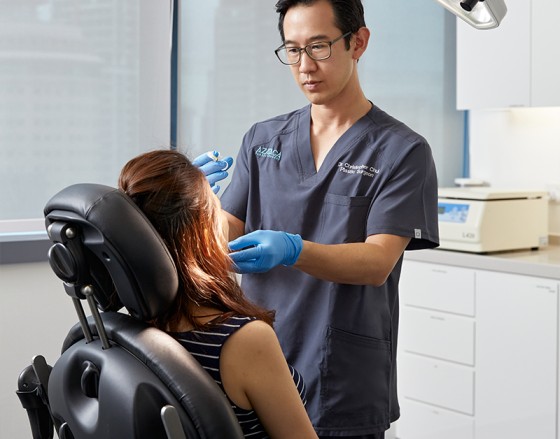
Plastic surgeons perform a wide range of procedures involving the face, breast, and body.
Facial Procedures
Common facial procedures include:
- Blepharoplasty (eyelid surgery)
- Rhinoplasty (nose reshaping)
- Facelift (rhytidectomy)
- Facial fat grafting
These procedures focus on restoring facial balance or addressing signs of aging.
Breast Procedures
Plastic surgeons may perform several breast-related procedures, including:
- breast augmentation
- breast reduction
- breast lift (mastopexy)
- breast reconstruction after mastectomy
These procedures may be performed for aesthetic or reconstructive reasons depending on the patient’s condition.
Body Contouring Procedures
Body contouring procedures reshape areas of the body by removing or redistributing fat and skin.
Examples include:
- liposuction
- abdominoplasty (tummy tuck)
- fat grafting
- body contouring after weight loss
These procedures aim to improve body proportion and contour.
How to Choose a Plastic Surgeon in Singapore
Selecting a plastic surgeon involves evaluating several important factors related to safety, qualifications, and patient care.
Professional Accreditation
Patients should verify that the surgeon is listed on the SMC Specialist Register and has completed recognised plastic surgery training.
Surgical Experience
Experience in performing specific procedures is an important consideration. Patients often ask how frequently the surgeon performs the procedure they are considering.
Clinic Licensing and Safety Standards
Medical facilities in Singapore must comply with the Healthcare Services Act (HCSA).
Licensed clinics must meet requirements related to:
- sterilisation standards
- operating theatre safety
- emergency equipment availability
- trained nursing and anaesthesia staff
These standards help ensure safe surgical care.
Consultation Transparency
A thorough consultation typically includes:
- medical history review
- physical examination
- discussion of treatment options
- explanation of potential risks and benefits
This process helps patients understand the procedure and determine whether it is appropriate for their goals.
What Happens During a Plastic Surgery Consultation?
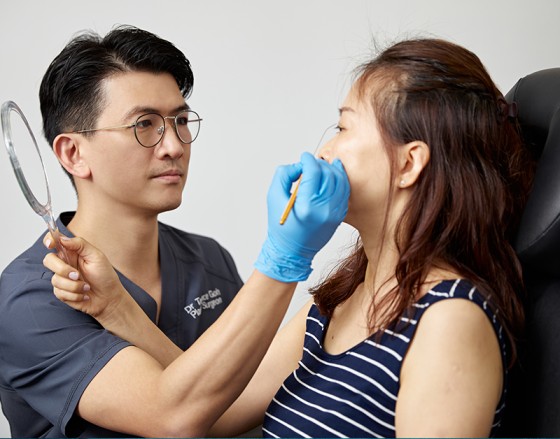
The consultation is an essential step before any surgical procedure.
During the consultation, the surgeon evaluates the patient’s health and discusses potential treatment options. This appointment allows the patient to ask questions, review expected outcomes, and understand possible risks.
Typical consultation steps include:
- reviewing medical and surgical history
- examining the treatment area
- discussing surgical techniques
- explaining recovery expectations
- documenting pre-treatment photographs
A personalised treatment plan is developed based on the patient’s anatomy and goals.
Pricing Transparency in Plastic Surgery
Plastic surgery costs in Singapore usually include several components.
Typical cost elements may include:
- surgeon’s professional fees
- anaesthetist fees
- operating facility or hospital charges
- implants or surgical materials
- medication and postoperative care
Many clinics provide financial counselling to explain these costs before patients decide to proceed with surgery.
Patient Safety and Post-Operative Care
Patient safety is a key focus of plastic surgery practice.
After surgery, clinics usually provide structured postoperative care to monitor recovery.
Postoperative care may include:
- scheduled follow-up visits
- wound care instructions
- monitoring for complications
- recovery guidance for returning to work or exercise
Ongoing communication between patients and the surgical team supports safe healing after surgery.
How Long Does Recovery Take After Plastic Surgery?
- eyelid surgery recovery may take about 7–10 days
- rhinoplasty recovery may require several weeks for swelling to improve
- facelift recovery may take two to three weeks before visible swelling decreases
Factors Patients Consider When Choosing a Plastic Surgeon
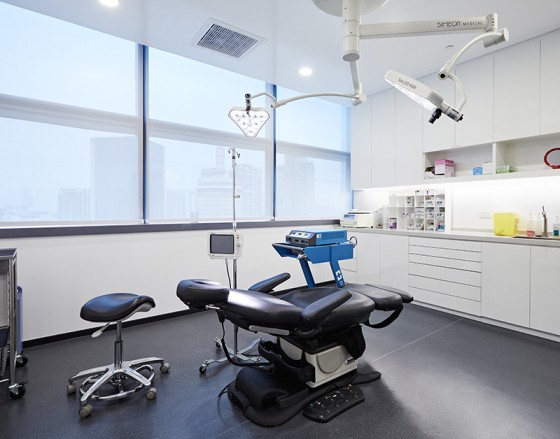
Patients evaluating plastic surgeons often consider multiple factors before making a decision.
Important considerations include:
- surgeon accreditation and training
- experience with specific procedures
- clinic licensing and safety standards
- consultation transparency and communication
- patient feedback and reputation
Reviewing these factors helps individuals make informed choices about plastic surgery in Singapore.
Frequently Asked Questions About Plastic Surgeons in Singapore
How can I verify if a plastic surgeon is accredited in Singapore?
Patients can verify a plastic surgeon’s credentials through the Singapore Medical Council (SMC) Specialist Register, which lists doctors recognised as plastic surgery specialists. This register confirms that the doctor has completed formal training and is licensed to practice as a plastic surgeon in Singapore.
What is the difference between a cosmetic surgeon and a plastic surgeon?
In Singapore, the title plastic surgeon is a regulated specialist designation requiring formal training and accreditation. The term cosmetic surgeon is not a protected title and may be used by doctors from different medical backgrounds who perform aesthetic procedures.
Are plastic surgery procedures safe?
Plastic surgery procedures are generally considered safe when performed by accredited specialists in licensed medical facilities. However, as with all surgical procedures, potential risks such as infection, scarring, or complications from anaesthesia may occur.
Is plastic surgery covered by insurance in Singapore?
Reconstructive procedures performed for medical reasons—such as surgery after trauma or breast reconstruction following cancer treatment—may be covered by insurance or MediSave. Cosmetic procedures performed purely for aesthetic reasons are usually not covered.
How long does recovery take after plastic surgery?
Recovery time depends on the procedure performed and the individual’s healing response. Some procedures require only a few days of downtime, while more complex surgeries may involve several weeks of recovery.
What should I ask during a plastic surgery consultation?
Patients often ask about the surgeon’s qualifications, experience with the procedure, possible risks, recovery timeline, and expected outcomes. Understanding these factors helps patients make informed decisions before proceeding with surgery.
Can plastic surgery produce permanent results?
Many plastic surgery procedures provide long-lasting results, but outcomes may change over time due to aging, lifestyle factors, or natural body changes. Surgeons discuss realistic expectations during consultation.
Begin Your Consultation With AZATACA Plastic Surgery
If you are considering treatment with a plastic surgeon in Singapore, scheduling a consultation allows you to discuss your goals, understand available procedures, and receive professional guidance tailored to your needs.