Breast reduction, medically known as reduction mammoplasty, is a surgical procedure that removes excess breast tissue, fat, and skin to create a breast size that is more proportionate to the body. The surgery also reshapes the breast and repositions the nipple–areola complex to maintain a balanced contour.
Individuals with excessively large breasts, a condition sometimes referred to as macromastia, may experience physical symptoms such as neck pain, shoulder strain, skin irritation beneath the breast fold, or difficulty with physical activity. Breast reduction surgery aims to reduce breast volume while improving comfort, body balance, and daily mobility.
In Singapore, breast reduction surgery is performed by trained plastic surgeons who evaluate anatomy, symptoms, and treatment goals during consultation. Understanding how the procedure works, the surgical techniques involved, and what recovery typically includes can help individuals make informed decisions.
What Is Breast Reduction Surgery?
Breast reduction surgery is a procedure that decreases breast size by removing excess glandular tissue, fat, and skin while reshaping the remaining breast structure. The nipple–areola complex is repositioned to align with the new breast contour.
The goal of breast reduction is to create breasts that are proportionate to the body while helping reduce physical discomfort associated with excessive breast weight.
Signs Someone May Consider Breast Reduction
People often explore breast reduction surgery when breast size begins to affect physical comfort or daily activities.
Common symptoms associated with very large breasts include:
- chronic neck, shoulder, or upper back pain
- shoulder grooves from bra straps
- skin irritation beneath the breast fold
- posture problems caused by breast weight
- difficulty exercising or participating in sports
Breast reduction surgery may help address these concerns by decreasing breast volume and redistributing weight more proportionately.
Benefits of Breast Reduction Surgery
Breast reduction surgery may provide both physical and lifestyle improvements for individuals with large breasts.
Potential benefits include:
- reduced neck, shoulder, and back pain
- improved posture and body balance
- greater comfort during physical activities
- reduced skin irritation beneath the breasts
- improved clothing fit and ease of movement
Individual outcomes vary depending on anatomy, surgical technique, and lifestyle factors.
Emotional and Lifestyle Considerations
Beyond physical symptoms, individuals sometimes report practical challenges related to clothing, posture, and mobility.
Because breast reduction surgery permanently changes breast size and shape, emotional readiness is an important consideration. A consultation allows individuals to discuss expectations, potential scarring, and possible changes in sensation before deciding whether surgery is appropriate.
Common Breast Reduction Surgical Techniques
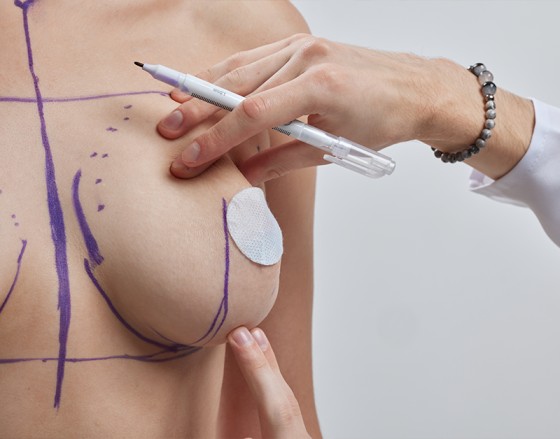
Several surgical approaches may be used during breast reduction procedures. The choice of technique depends on breast size, tissue composition, skin elasticity, and desired reshaping.
Vertical Breast Reduction (Lollipop Technique)
The vertical technique involves an incision around the areola and a vertical incision extending to the breast crease.
This method may be used when:
- moderate breast reduction is required
- skin elasticity allows reshaping with fewer incisions
The technique allows removal of excess tissue while reshaping the breast mound.
Inverted-T (Anchor) Breast Reduction
The anchor technique includes three incisions:
- around the areola
- vertically down the breast
- along the breast crease
This method may be used when:
- larger volume reduction is needed
- significant skin tightening is required
- breasts show pronounced sagging
The anchor approach provides greater flexibility in reshaping the breast.
Liposuction-Assisted Breast Reduction
In certain cases where breast tissue is predominantly fatty, liposuction-assisted reduction may be used to remove excess fat.
This method may be appropriate when:
- skin elasticity remains good
- breast shape does not require extensive reshaping
However, liposuction alone may not be suitable for individuals requiring significant tissue removal.
Breast Reduction vs Breast Lift
Breast reduction and breast lift procedures address different concerns.
Procedure | Primary Goal | Tissue Removal |
Breast reduction | Reduce breast size and relieve symptoms | Yes |
Breast lift | Improve breast position and shape | Minimal |
In some cases, both techniques may be combined when individuals require volume reduction and breast reshaping.
Who Is a Good Candidate for Breast Reduction?
Breast reduction surgery may be considered by individuals who experience physical discomfort or lifestyle limitations caused by large breasts.
During consultation, a plastic surgeon evaluates:
- breast size relative to body frame
- skin elasticity and tissue characteristics
- overall health and medical history
- patient goals and expectations
Suitability is determined through clinical assessment rather than breast size alone.
What Happens During a Breast Reduction Consultation?
Consultation is a key step in determining whether breast reduction surgery is appropriate.
During this visit, the surgeon typically:
- reviews medical history and symptoms
- examines breast anatomy and tissue characteristics
- explains possible surgical techniques
- discusses scarring patterns and recovery expectations
- outlines potential risks and safety considerations
Patients can also ask questions and discuss their goals for the procedure.
Preparing for Breast Reduction Surgery

Preparation for surgery usually includes several steps to support safety and recovery.
Typical preparation may involve:
- medical evaluation and health screening
- review of medications or supplements
- imaging studies such as mammography if indicated
- planning for recovery assistance at home
Clear communication with the surgical team helps ensure that patients understand each stage of preparation.
What Happens on the Day of Surgery
Breast reduction surgery is usually performed under general anesthesia in an accredited surgical facility.
Before surgery begins, the surgeon marks the breast to guide tissue removal and reshaping.
During the procedure:
- excess tissue and skin are removed
- the breast mound is reshaped
- the nipple–areola complex is repositioned
- incisions are closed carefully
The duration of surgery varies depending on the surgical technique and the amount of tissue being removed.
Recovery After Breast Reduction Surgery
Recovery timelines vary depending on the surgical technique and individual healing patterns.
Common early recovery experiences include:
- swelling and bruising
- mild discomfort
- temporary changes in breast sensation
Patients are usually advised to wear a surgical support bra to stabilize the breasts during healing. Light walking may be encouraged while strenuous exercise and heavy lifting are avoided until medical clearance is given.
Follow-up visits allow the surgeon to monitor healing and provide guidance throughout recovery.
How Much Tissue Is Removed During Breast Reduction?
The amount of breast tissue removed during surgery depends on the individual’s anatomy, symptoms, and treatment goals.
Surgeons evaluate breast composition, skin elasticity, and body proportions when planning the reduction. The objective is to create a breast size that is comfortable, proportionate, and balanced with the rest of the body.
How Much Does Breast Reduction Cost in Singapore?
The cost of breast reduction surgery in Singapore varies depending on the surgical technique, the complexity of the procedure, and the medical facility where the surgery is performed.
Typical cost factors include:
- surgeon’s professional fees
- anesthesia services
- operating facility costs
- postoperative care and follow-up visits
A consultation with a qualified plastic surgeon is required to determine the most appropriate surgical approach and provide an accurate cost estimate.
Risks and Safety Considerations
Like all surgical procedures, breast reduction surgery carries potential risks.
Possible risks include:
- infection
- bleeding
- delayed wound healing
- scarring
- changes in nipple or breast sensation
A plastic surgeon discusses these considerations during consultation and evaluates factors that may influence healing.
Long-Term Results After Breast Reduction

Breast reduction surgery aims to achieve a breast size that is more proportionate to the body while improving physical comfort.
However, breasts may continue to change naturally over time due to factors such as:
- weight fluctuations
- pregnancy
- aging and hormonal changes
Maintaining a stable weight and healthy lifestyle may help support long-term results.
Frequently Asked Questions About Breast Reduction
Who is a suitable candidate for breast reduction?
Suitable candidates are individuals who experience physical discomfort or lifestyle limitations due to large breasts. A plastic surgeon evaluates anatomy, symptoms, medical history, and treatment goals during consultation to determine whether breast reduction surgery is appropriate.
Will breast reduction affect nipple sensation?
Changes in nipple or breast sensation can occur after breast reduction surgery. These changes may be temporary or long-term depending on surgical technique, individual anatomy, and healing patterns.
How long does recovery take after breast reduction surgery?
Initial recovery usually takes several weeks, during which swelling and bruising gradually improve. Full healing and scar maturation may take several months as tissues settle and scars soften.
Are there risks associated with breast reduction surgery?
Breast reduction surgery carries potential risks such as infection, bleeding, delayed wound healing, scarring, or changes in sensation. A plastic surgeon explains these risks and discusses individual factors that may influence healing.
Will breasts continue to change after breast reduction?
Breasts may change naturally over time due to aging, pregnancy, hormonal changes, or weight fluctuations. Although breast reduction permanently removes tissue, future changes in breast shape can still occur.
Can breast reduction improve physical discomfort?
Many individuals seek breast reduction surgery because large breasts can cause chronic neck pain, shoulder strain, skin irritation, and posture problems. Reducing breast size may help relieve these symptoms and improve comfort during daily activities.
Can I breastfeed after breast reduction surgery?
Breastfeeding ability may be affected depending on the surgical technique used and how much glandular tissue is preserved. Individuals planning future pregnancies should discuss this consideration with their surgeon during consultation.
Conclusion
Breast reduction surgery is a procedure that addresses both physical discomfort and structural concerns related to excessive breast size by removing tissue and reshaping the breast. Understanding the different surgical techniques, recovery process, potential risks, and long-term considerations allows individuals to evaluate whether the procedure aligns with their needs and expectations.
As with any surgical intervention, suitability for breast reduction depends on individual anatomy, symptoms, and overall health. A consultation provides a structured setting to assess these factors, review appropriate surgical approaches, and discuss expected outcomes based on a clinical evaluation.
Book a consultation to discuss suitability and available treatment options.