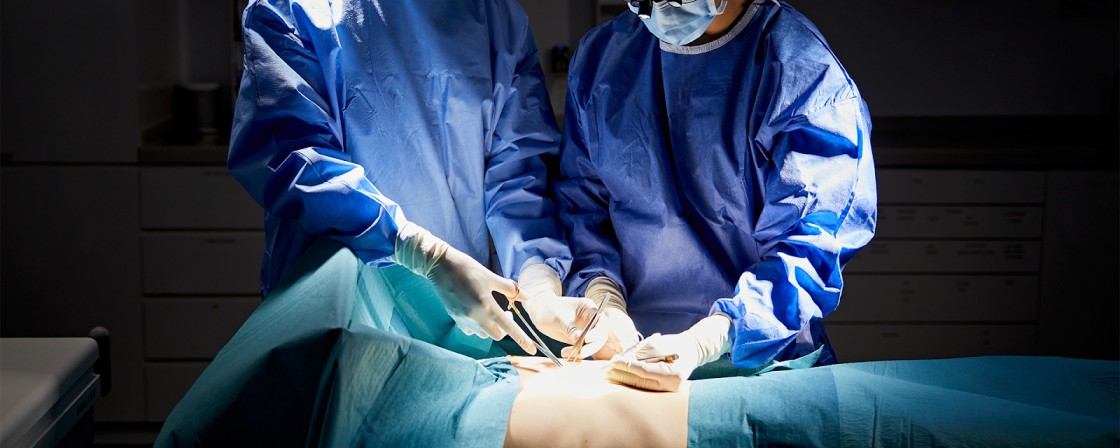
Breast reconstruction is a surgical procedure designed to restore the shape and contour of the breast after mastectomy, injury, or congenital conditions that affect breast tissue. The procedure recreates the breast mound using implants, a patient’s own tissue, or a combination of both techniques.
Breast reconstruction in Singapore is often considered after breast cancer surgery such as mastectomy or lumpectomy. Reconstruction may rebuild part or the entire breast depending on the extent of tissue loss. For many individuals, the procedure can help restore breast symmetry and support physical and emotional recovery following cancer treatment.
Reconstruction can be performed at the same time as mastectomy or at a later stage after cancer treatment is completed. Understanding the types of breast reconstruction procedures, recovery expectations, and treatment planning helps individuals make informed decisions when discussing options with a plastic surgeon in Singapore.
What Is Breast Reconstruction?
Breast reconstruction is a surgical procedure that recreates the breast mound after breast tissue has been removed due to cancer treatment, trauma, or medical conditions. Reconstruction may involve silicone implants, tissue taken from another part of the body, or a combination of both methods.
The goal of reconstruction is to restore breast contour and improve body balance while considering the patient’s anatomy, cancer treatment plan, and long-term health considerations.
When Is Breast Reconstruction Performed?
Breast reconstruction surgery may be performed either immediately after mastectomy or at a later stage following cancer treatment.
Immediate Breast Reconstruction
Immediate reconstruction takes place during the same operation as mastectomy. This approach can preserve the breast skin envelope and may reduce the number of surgeries needed.
Delayed Breast Reconstruction
Delayed reconstruction occurs months or years after mastectomy. This option may be recommended when radiation therapy or other treatments are planned after the initial cancer surgery.
Both approaches are commonly used depending on medical considerations and individual preferences.
Main Types of Breast Reconstruction
Breast reconstruction techniques generally fall into three categories: implant-based reconstruction, autologous tissue reconstruction, and hybrid reconstruction that combines implants with natural tissue.
Implant-Based Breast Reconstruction
Implant-based reconstruction uses silicone breast implants to recreate the breast mound.
A commonly used method is the two-stage reconstruction process:
- A tissue expander is placed beneath the skin or chest muscle.
- The expander is gradually filled to stretch the tissue.
- The expander is later replaced with a permanent silicone breast implant.
In certain cases, direct-to-implant reconstruction may be performed when the chest tissue allows a single-stage procedure.
Implant reconstruction is often considered when there is adequate skin and soft tissue on the chest wall to support an implant.
Autologous (Flap) Breast Reconstruction
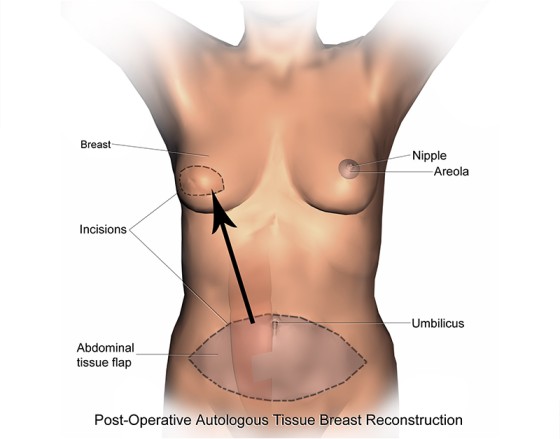
Autologous reconstruction uses the patient’s own tissue to rebuild the breast mound. Tissue may be transferred from areas such as the abdomen, inner thigh, or back.
One of the most widely performed techniques is the DIEP flap (Deep Inferior Epigastric Perforator flap). This procedure uses skin and fat from the lower abdomen while preserving the abdominal muscles.
Blood vessels supplying the tissue are connected to vessels in the chest using microsurgery, allowing the transferred tissue to survive and form a natural-feeling breast mound.
Other Flap Reconstruction Options
When abdominal tissue is not suitable, other flap procedures may be considered.
These include:
- TRAM flap – uses abdominal tissue and may include muscle
- TUG flap – uses tissue from the inner thigh
- Latissimus dorsi flap – uses muscle and skin from the upper back
The choice of flap depends on body anatomy, previous surgeries, and reconstruction goals.
Hybrid Breast Reconstruction
Hybrid reconstruction combines autologous tissue with implants.
In this approach:
- transferred tissue provides a natural base
- an implant provides additional volume or projection
Hybrid reconstruction may be used when donor tissue alone cannot provide enough fullness or when additional contouring is needed.
Benefits of Breast Reconstruction
Breast reconstruction may offer several physical and aesthetic benefits after mastectomy or breast cancer surgery.
Potential benefits include:
- restoration of breast contour and symmetry
- improved clothing fit and body proportion
- improved physical balance after mastectomy
- support for emotional recovery following cancer treatment
Each individual’s experience varies depending on treatment goals and medical considerations.
Breast Reconstruction vs Breast Augmentation
Breast reconstruction and breast augmentation are different procedures with different purposes.
Procedure | Purpose | Typical Patients |
Breast reconstruction | Rebuild breast after mastectomy or injury | Breast cancer patients |
Breast augmentation | Increase breast size for cosmetic reasons | Cosmetic surgery patients |
While both procedures may use implants or tissue transfer, reconstruction is primarily performed as part of reconstructive cancer care.
Who Is a Candidate for Breast Reconstruction?
Breast reconstruction may be considered by individuals who have undergone mastectomy or breast tissue removal due to cancer or trauma.
During consultation, surgeons evaluate:
- medical history and cancer treatment plan
- skin quality and chest wall anatomy
- availability of donor tissue for flap procedures
- overall health and surgical readiness
A consultation with a plastic surgeon in Singapore helps determine the most appropriate reconstruction method.
Stages of Breast Reconstruction Surgery
Breast reconstruction may involve multiple stages depending on the technique used.
Typical stages may include:
- initial reconstruction during or after mastectomy
- implant placement or tissue transfer
- revision procedures to refine breast shape
- nipple and areola reconstruction
Not every patient requires all stages, and treatment plans vary depending on surgical goals.
Procedures to Improve Breast Symmetry
Additional procedures may be recommended to balance the reconstructed breast with the natural breast.
These may include:
- breast lift
- breast reduction
- breast augmentation
These procedures help improve symmetry and overall body proportion.
Breast Reconstruction Recovery Timeline
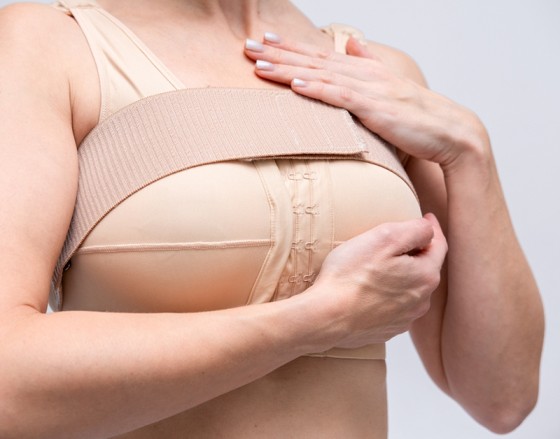
Recovery after breast reconstruction depends on the surgical method used.
Typical recovery stages include:
- First 1–2 weeks: swelling, bruising, and initial healing
- 3–6 weeks: gradual return to daily activities
- Several months: final breast shape settles as swelling decreases
Recovery may take longer after flap reconstruction because healing occurs at both the breast and donor site.
How Much Does Breast Reconstruction Cost in Singapore?
The cost of breast reconstruction in Singapore varies depending on the surgical technique used, the number of procedures required, and whether implants or autologous tissue reconstruction is performed.
Cost factors may include:
- surgeon’s professional fees
- hospital or surgical facility charges
- anesthesia services
- implants or surgical equipment
- postoperative care and follow-up visits
Because reconstruction plans are individualized, a consultation with a qualified plastic surgeon is necessary to determine the most appropriate approach and provide an accurate treatment estimate.
Risks and Complications of Breast Reconstruction
Breast reconstruction surgery may involve potential risks and complications.
General risks include:
- infection
- delayed wound healing
- scarring
- changes in breast sensation
Implant Reconstruction Risks
Possible implant-related complications include:
- capsular contracture
- implant rupture
- infection requiring implant removal
- tissue expander complications
Autologous Reconstruction Risks
Flap reconstruction carries additional considerations including:
- compromised blood supply to the flap
- tissue loss (flap necrosis)
- donor-site complications such as abdominal weakness or hernia
Monitoring techniques may be used after surgery to detect early changes in blood flow to the reconstructed tissue.
Impact of Radiation Therapy on Reconstruction
Radiation therapy can influence reconstructive planning because it may affect skin elasticity and healing.
Radiation may increase the risk of:
- wound-healing complications
- infection
- capsular contracture around implants
For this reason, surgeons may recommend delayed reconstruction or autologous reconstruction when radiation therapy is part of the treatment plan.
What Happens During a Breast Reconstruction Consultation?

Consultation plays an important role in reconstruction planning.
During consultation, the surgical team may discuss:
- reconstruction techniques available
- timing of surgery
- donor-site suitability for flap reconstruction
- possible changes in sensation
- recovery expectations
Nipple and areola reconstruction techniques may also be discussed if these procedures are planned as part of the reconstruction process.
Frequently Asked Questions About Breast Reconstruction in Singapore
When is breast reconstruction typically performed?
Breast reconstruction may be performed immediately during mastectomy or delayed until after cancer treatment is completed. Immediate reconstruction allows the breast mound to be rebuilt during the initial surgery, while delayed reconstruction may be recommended when radiation therapy or other treatments are required.
What is the difference between implant reconstruction and flap reconstruction?
Implant reconstruction uses silicone breast implants to recreate the breast mound. Flap reconstruction uses tissue from another part of the body, such as the abdomen or thigh, to form the breast mound. Each technique has different recovery timelines and long-term considerations.
Is breast reconstruction necessary after mastectomy?
Breast reconstruction is optional. Some individuals choose reconstruction to restore breast shape after mastectomy, while others prefer external prostheses or decide not to undergo additional surgery. The decision depends on personal preferences and medical considerations.
How long does recovery take after breast reconstruction?
Initial recovery usually takes several weeks depending on the reconstruction method used. Implant reconstruction may involve shorter recovery times, while flap reconstruction requires healing at both the breast and donor site.
How does radiation therapy affect breast reconstruction?
Radiation therapy may affect skin elasticity and wound healing, which can influence reconstruction planning. In some cases, delayed reconstruction or autologous tissue reconstruction may be recommended.
Can the nipple and areola be reconstructed?
Yes. Nipple and areola reconstruction may be performed during a later stage of breast reconstruction. Techniques may involve local tissue reconstruction or medical tattooing to recreate the natural appearance of the nipple–areola complex.
Will reconstructed breasts look natural?
Modern breast reconstruction techniques aim to restore natural breast contour and symmetry. Final appearance depends on the surgical technique used, healing response, and whether additional procedures such as fat grafting or symmetry surgery are performed.
Conclusion
Breast reconstruction in Singapore involves a range of surgical approaches designed to restore breast shape following mastectomy, injury, or other medical conditions. Options such as implant-based reconstruction, autologous tissue reconstruction, and hybrid techniques are selected based on individual anatomy, treatment history, and clinical considerations. Understanding how these methods differ, along with recovery timelines and potential risks, supports more informed discussions when exploring reconstruction options.
Reconstruction planning is highly individualised and often involves multiple stages. A consultation provides an opportunity to evaluate medical history, review suitable techniques, and consider timing in relation to ongoing treatments such as radiation therapy.
Book a consultation to discuss suitability and reconstruction options.