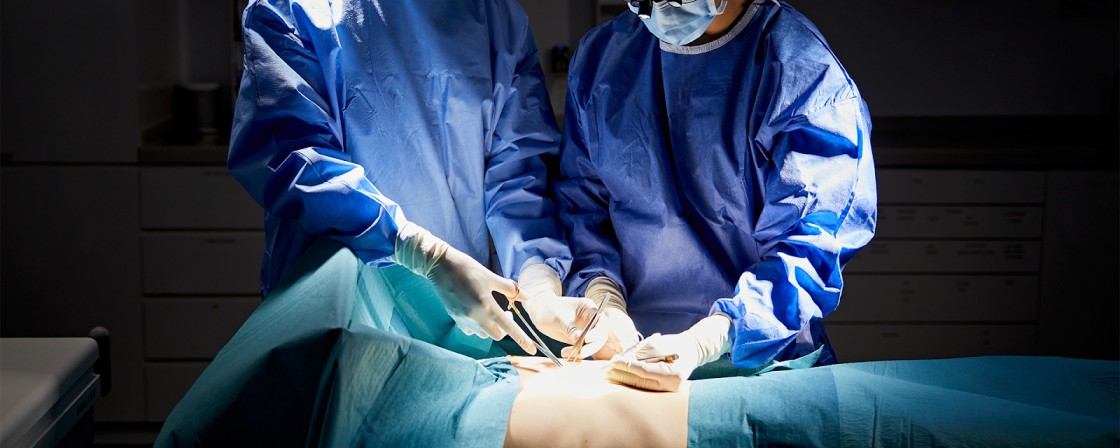
A facelift is a surgical procedure designed to reduce visible signs of facial aging by repositioning deeper facial tissues and tightening excess skin. Medically known as rhytidectomy, facelift surgery helps improve sagging cheeks, jawline definition, and loose skin in the neck.
As people age, the skin gradually loses elasticity while deeper facial structures shift downward due to gravity and volume loss. These changes can lead to jowls, deep folds around the mouth, and reduced facial definition. A facelift addresses these structural changes by repositioning underlying tissue layers rather than simply tightening the skin.
In Singapore, facelift surgery is performed by trained plastic surgeons who evaluate facial anatomy, skin quality, and aesthetic goals before recommending the most appropriate surgical technique. Understanding how facelift procedures work, what recovery involves, and how different techniques compare can help individuals make informed decisions about facial rejuvenation.
What Is a Facelift?
A facelift is a surgical procedure that improves visible signs of aging in the lower face and neck by repositioning deeper facial tissues and removing excess skin. The goal is to restore smoother contours along the cheeks, jawline, and neck while maintaining natural facial expressions.
Unlike treatments that focus only on surface wrinkles, facelift surgery addresses deeper structural changes in facial anatomy. By adjusting these deeper layers, surgeons can improve facial definition and reduce sagging without creating an overly tight or unnatural appearance.
Signs That People Consider a Facelift
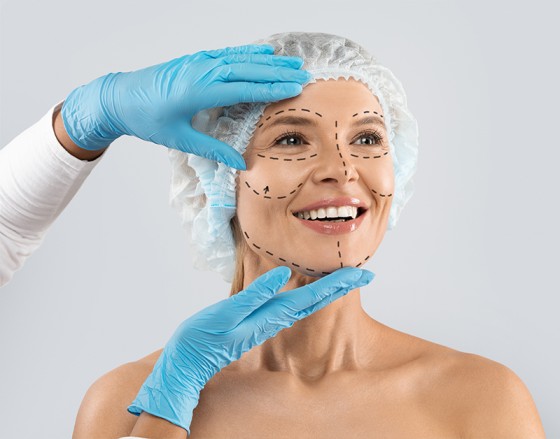
Many individuals explore facelift surgery when structural changes in the face become more noticeable over time. These changes occur gradually and may be influenced by genetics, lifestyle, and natural aging.
Common signs that lead people to consider a facelift include:
- Sagging skin along the jawline (jowls)
- Deep folds around the nose and mouth
- Loss of midface volume and contour
- Loose skin under the chin
- Reduced definition between the chin and neck
Facelift surgery focuses on repositioning underlying facial tissues to improve these structural changes while preserving natural facial proportions.
Common Facelift Techniques
Facelift surgery can be performed using several surgical techniques. Each approach works on different layers of facial tissue and is selected based on the degree of facial aging and individual anatomy.
SMAS-based approaches differ in how the SMAS layer is handled:
Plication techniques – the SMAS is folded and sutured to provide support
SMASectomy – a portion of the SMAS is removed and repositioned
Flap or deep plane techniques – the SMAS is released and repositioned more extensively.
SMAS Plication or SMASectomy
These techniques adjust the SMAS layer through folding or partial removal.
- SMAS plication strengthens facial support by folding the SMAS layer
- SMASectomy removes a portion of the SMAS layer before repositioning it
Both techniques aim to reinforce facial support structures while maintaining balanced skin tension.
Deep Plane Facelift
The deep plane facelift works at a deeper level within facial anatomy and releases facial ligaments to reposition tissues more comprehensively.
This approach may:
- Address more advanced facial sagging
- Improve midface and lower face contours
- Provide more extensive structural repositioning
Due to deeper tissue adjustments, recovery may take slightly longer than with limited techniques.
Endoscopic Facelift
An endoscopic facelift is a minimally invasive approach that uses small incisions—often hidden within the hairline—together with a camera-assisted (endoscopic) system to visualise and reposition deeper facial tissues.
This technique is most commonly used to address early signs of ageing in the upper and midface, such as brow descent or mild cheek sagging, rather than more advanced lower face or neck laxity. Because the incisions are smaller and tissue dissection is more limited compared to traditional facelift techniques, recovery may be shorter in selected patients. However, the degree of lifting achieved is typically more modest, and careful patient selection is important to determine whether an endoscopic approach alone is sufficient or whether a more comprehensive technique would be required for balanced results.
Facelift with Neck Lift
Some individuals experience both facial sagging and neck changes simultaneously. In these cases, facelift surgery may be combined with a neck lift.
This combined approach can improve:
Loose skin under the chin
Neck banding
Loss of jawline definition
Addressing both areas together may produce more balanced facial contours.
How Facelift Techniques Differ
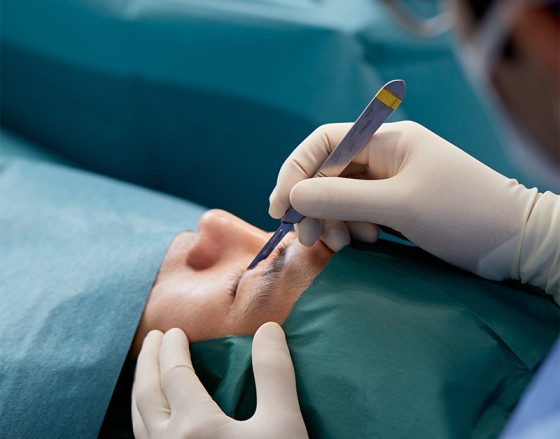
Different facelift techniques vary in how deeply they adjust facial tissues and how much structural repositioning occurs.
Key differences include:
- Depth of tissue repositioning
- Extent of facial sagging being addressed
- Skin elasticity and tissue support
- Individual anatomical characteristics
Because every face ages differently, surgeons tailor facelift procedures based on individual facial anatomy and treatment goals.
Who Is a Good Candidate for Facelift Surgery?
Facelift suitability depends on several factors, including facial structure, skin elasticity, and overall health.
Good candidates generally:
- Have noticeable sagging in the lower face or neck
- Maintain good general health
- Do not smoke or are willing to stop before surgery
- Have realistic expectations about surgical results
Age alone does not determine suitability. Some individuals consider facelift surgery in their 40s or 50s when facial changes become more pronounced, while others explore the procedure later depending on their concerns.
The Facelift Procedure: Step-by-Step
Understanding the facelift process can help individuals prepare for surgery and recovery.
Consultation and Evaluation
The process begins with a consultation where the surgeon evaluates facial anatomy, skin quality, and aging patterns.
During this stage, patients typically discuss:
- treatment goals
- suitable facelift techniques
- potential risks and recovery expectations
The consultation helps determine whether facelift surgery is appropriate.
Surgical Planning
Before surgery, patients receive instructions designed to support safe treatment and recovery.
These may include:
- medical evaluations or health screening
- adjustments to medications
- guidelines regarding food and drink before surgery
- planning for transportation and recovery support
Careful preparation helps reduce surgical risks.
Surgical Procedure
Facelift surgery is typically performed in an accredited surgical facility.
During the procedure:
- incisions are placed around the hairline and ears
- deeper facial tissues are repositioned
- excess skin is removed
- incisions are closed carefully to minimize visible scarring
The surgery may take several hours depending on the technique used.
Recovery After a Facelift
Recovery experiences vary depending on the technique used and individual healing patterns.
During early recovery, individuals may experience:
- swelling and bruising
- mild discomfort or tightness
- temporary numbness in certain areas
Most individuals take time away from work and social activities during the early healing phase. Swelling typically improves gradually, while deeper tissues continue settling over several weeks to months before final results become visible.
Follow-up visits allow the surgeon to monitor healing and guide safe return to normal activities.
How Long Do Facelift Results Last?
Facelift results can last many years because the procedure repositions deeper facial tissues rather than simply tightening skin. However, natural aging continues over time.
Factors that may influence how long results last include:
- skin quality and elasticity
- genetics and aging patterns
- sun exposure
- lifestyle habits such as smoking
Although aging continues, many individuals find that facelift results remain noticeable for a long period.
Facelift vs Non-Surgical Facial Rejuvenation
Some individuals explore non-surgical treatments before considering facelift surgery.
Treatment | Purpose | Longevity |
Facelift surgery | Repositions deeper facial tissues | Long-lasting structural change |
Botox injections | Relax facial muscles to reduce wrinkles | Temporary |
Dermal fillers | Restore lost facial volume | Temporary |
Energy-based skin tightening | Improve skin firmness | Moderate improvement |
Non-surgical treatments may help address early aging changes, while facelift surgery is designed to address deeper structural changes.
How Much Does a Facelift Cost in Singapore?
The cost of a facelift in Singapore varies depending on the surgical technique, surgeon experience, and complexity of the procedure.
Typical cost factors include:
- surgeon’s professional fee
- anesthesia services
- operating facility costs
- follow-up care and monitoring
Because each procedure is tailored to individual anatomy and goals, a consultation with a plastic surgeon is necessary to determine the most suitable technique and provide an accurate treatment estimate.
Risks and Safety Considerations
Like any surgical procedure, facelift surgery carries potential risks.
Possible risks may include:
- infection
- bleeding
- scarring
- temporary numbness or altered sensation
- wound healing complications
A consultation with a qualified plastic surgeon helps individuals understand the risks and benefits associated with facelift surgery before proceeding.
How to Choose a Facelift Surgeon in Singapore
Selecting a qualified plastic surgeon is one of the most important steps when considering facelift surgery.
In Singapore, plastic surgeons must be registered with the Singapore Medical Council (SMC) and accredited by the Specialists Accreditation Board (SAB) before practicing as specialists.
Patients may consider factors such as:
- surgeon training and certification
- experience performing facelift surgery
- communication during consultation
- explanation of treatment options and recovery expectations
Understanding the surgeon’s experience and approach helps individuals make informed decisions about facial rejuvenation procedures.
Frequently Asked Questions About Facelift Surgery
What does a facelift procedure do?
A facelift improves visible signs of aging by repositioning deeper facial tissues and removing excess skin. The procedure primarily targets the lower face and neck, helping reduce sagging skin, improve jawline definition, and soften deep folds around the mouth.
How long does a facelift last?
Facelift results typically last for many years because the procedure adjusts deeper facial structures rather than tightening skin alone. Natural aging continues over time, but the structural improvements achieved during surgery can remain noticeable for a long period.
Is facelift surgery painful?
Facelift surgery is performed under anesthesia, so patients do not feel pain during the procedure. After surgery, mild discomfort, swelling, or tightness may occur during the early recovery period and is usually managed with prescribed medication and post-operative care instructions.
What age is best for a facelift?
There is no specific age requirement for facelift surgery. Suitability depends on facial anatomy, skin elasticity, and the degree of aging changes rather than age alone. Many individuals consider the procedure when sagging or structural changes become more noticeable.
How long does facelift recovery take?
Initial recovery from facelift surgery usually takes several weeks, during which swelling and bruising gradually improve. Deeper tissue healing continues for several months before the final facial contours become fully visible.
Can a facelift address the entire face?
A facelift mainly targets the lower face and neck. Other areas such as the forehead or eyelids may require additional procedures like brow lift or eyelid surgery to address those specific regions.
Are there alternatives to facelift surgery?
Non-surgical treatments such as dermal fillers, botulinum toxin injections, and energy-based skin treatments may improve mild signs of aging. However, these options typically provide temporary improvements and may not address deeper structural changes.
Conclusion
A facelift is a surgical procedure that addresses structural changes associated with facial aging by repositioning deeper tissues and removing excess skin. Different techniques are used depending on the degree of aging, individual anatomy, and treatment goals. Understanding how each approach works, along with the recovery process, potential risks, and expected outcomes, supports more informed decision-making when considering facial rejuvenation.
As with any medical procedure, suitability for a facelift depends on a personalised clinical assessment. A consultation allows for evaluation of facial structure, discussion of appropriate techniques, and clarification of recovery considerations based on individual needs.
Book a consultation to discuss suitability and available treatment options.